
Psychology

ABOUT
The Psychology Program equips students with modern theoretical and practical training to thrive across clinical, educational, corporate, and social fields. It develops their ability to assess, diagnose, and intervene both individually and in groups—enabling them to join multidisciplinary teams and create impactful programs in their areas of expertise.
Professionals who combine theoretical knowledge with a critical and effective approach, adapting to different sociocultural contexts. They assess research and intervention methods critically, choose effective strategies, and lead with empathy, ethics, teamwork, and a strong commitment to lifelong learning and social responsibility.
Mission
We train leading psychologists committed to research and innovation, guided by ethical principles and dedicated to sustainable development and social responsibility. Our graduates thrive in multidisciplinary and intercultural environments.
Vision
To be regional leaders in psychology through the impact of our innovative, research-driven, and sustainability-focused practice, ultimately fostering well-being and greater social equity.
CURRICULUM
Designed for today's world, our curriculum combines the latest advances in psychology with global perspectives and job market trends, placing special emphasis on research, innovation, and social responsibility. Through a mix of mandatory and elective courses, students tailor their education toward clinical, educational, or organizational psychology, and may earn diplomas in sports psychology, forensic psychology, or neuroscience applied to organizational behavior. In their final year, they also have the chance of pursuing a dual degree at Universitat Abat Oliba CEU in Barcelona.
Spanning 6 years over 12 academic semesters, the program follows three milestones: 2 semesters of general studies, 8 semesters of school-based coursework, and 2 semesters of internships.
ACADEMIC DEGREES AND PROFESSIONAL TITLES
Students who have completed their studies in Psychology are eligible to apply for a bachelor's degree. Once obtained, they may then apply for the professional title.
To view the General Regulations on Academic Degrees and Professional Titles, click here.
At the end of the academic term, students who have successfully completed all required courses and earned the necessary credits outlined in the program curriculum will automatically obtain the graduate status. They will then receive an email from DUSAR.
For more information, click here.
Video Tutorial: How to Request a Graduate Certificate?
To earn your Bachelor's degree, you must first graduate from the Psychology Program.
For more information, click on the options below:
• Bachelor's Degree Application
• Student Guide
• Video Tutorial: Bachelor's Degree Diploma Process
The professional title in Psychology will be awarded upon the successful completion of one of the degree pathways corresponding to either the thesis or professional proficiency project modalities, as outlined in the Supplementary Guidelines for Obtaining the Bachelor's Degree and Professional Title.
To apply, you must first earn the Bachelor's degree in Psychology from Universidad de Lima and meet the requirements.
For more information about the research areas of the Scientific Research Institute (IDIC), click here.
Option A: Thesis
Individual or team application
Option B: Professional Proficiency Project
• Group call held during the summer academic term (January–March)
• Individual call held during regular academic terms (April–July / September–December)
For more information, click here.
Once the corresponding professional tittle submodality is approved, the following documents—properly filled out and signed—must be submitted to the Academic Degrees and Professional Titles Office:
- Authorization for the publication of research papers in the Ulima Repository to obtain an academic degree or professional title.
- Digital copy of your valid National ID (DNI) in PDF format (portrait). Name the file using your Last Name and First Name (all in capital letters).
For more information on how to request your professional title diploma, click here.
Video Tutorial: Process for Obtaining Your Professional Title Diploma
The Psychology Program offers 3 Specialist Certifications:
- Sports Psychology
- Forensic Psychology
- Neuroscience Applied to Organizational Behavior
For more information, click here.
Requirements are as follows:
- Hold a Bachelor's degree.
A weighted average of no less than 13.00 across the required courses:
a) Specialist Certification in Neuroscience Applied to Organizational Behavior (3 courses):
—Introduction to Neuroscience
—Neuroscience of Organizational Behavior: Implications and Applications
—Research and Intervention in Applied Neuroscienceb) Specialist Certification in Forensic Psychology (4 courses):
—Introduction to Forensic Psychology
—Forensic Psychology
—Research and Intervention in Applied Neuroscience
—Intervention in Forensic Psychology
c) Specialist Certification in Sports Psychology (5 courses):
—Sports Psychology
—Training Theory and Biological Basis of Sport
—Applications of Sports Psychology in Diverse Contexts
—Research and Intervention in Applied Neuroscience
—Psychological Intervention in Sport
3. Successfully complete all Specialist Certification courses within a maximum of two attempts.
Psychology graduates who meet the requirements for a Specialist Certification can request it through Mi Ulima portal.
For more information, click here.
School of Psychology
Academic Degrees and Professional Titles Office
Building D1, Floor 4
Business hours: Monday to Friday, from 8:00 to 15:00 hours and from 16:00 to 18:15 hours
Phone: +511 4376767 ext. 35071
gytpsicologia@ulima.edu.pe
ENROLLMENT INFORMATION
INTERNSHIP
The internship is a pivotal stage in your professional development at Universidad de Lima. During this period, you gain experience through your first pre-professional practices at different organizations or practice centers, while completing the final-year courses of your degree.
The School of Psychology is dedicated to helping you consolidate your professional profile. Our academic team, comprising professors from the final-year courses, works closely with supervisors at the practice centers—licensed and registered psychologists. This collaboration provides a supportive academic and professional environment that enables you to demonstrate and apply the skills required to graduate as a well-rounded Ulima psychologist.
To begin your internship, ensure you have been accepted into a practice center. The center must be registered according to the University procedure through the Ulima Employability and Professional Engagement Center. Such registration is crucial for tracking your practice experience and fulfilling the requirements needed to obtain your bachelor's degree, as outlined in the Pre-professional Practice Regulations published by the Center for Employability, Professional Engagement, and Alumni.
We recommend initiating your search for practice centers at least one semester in advance. The Center for Employability, Professional Engagement, and Alumni offers helpful resources, including personalized counseling that enhances your employability and supports your transition into the job market.
Requirements for Pre-Professional Internship Registration
For Students
- Complete all mandatory courses at level X.
- Complete at least ten (10) months of internships. If you decide to change internship centers, you must first complete a minimum of five (5) months at the initial center before transitioning. You may then complete the remaining five (5) months at a new center.
- Register your pre-professional internships on the Center for Employability, Professional Engagement, and Alumni platform, following these guidelines.
- Ensure that your role at the internship center aligns with the responsibilities of a psychology intern or student. The School of Psychology will verify this.
For the Internship Center
- Assign a qualified supervisor (licensed and certified psychologist).
- Ensure that no personal or family relationship exist between the supervisor and the student beyond the professional supervisory role.
- Be registered in Ulima Laboral. If not, the center must complete the process through the platform, either by the supervisor or an authorized representative.
- Internships must take place in Lima to ensure that your experience meets our standards for job duties and working conditions. However, international internships may be available through agreements promoted by the School of Psychology.
- Internships may extend up to thirty (30) hours per week, in accordance with the Ministry of Labor and as stated in the General Internship Regulations of Universidad de Lima and the Center for Employability, Professional Engagement, and Alumni.
SPECIALIST CERTIFICATIONS
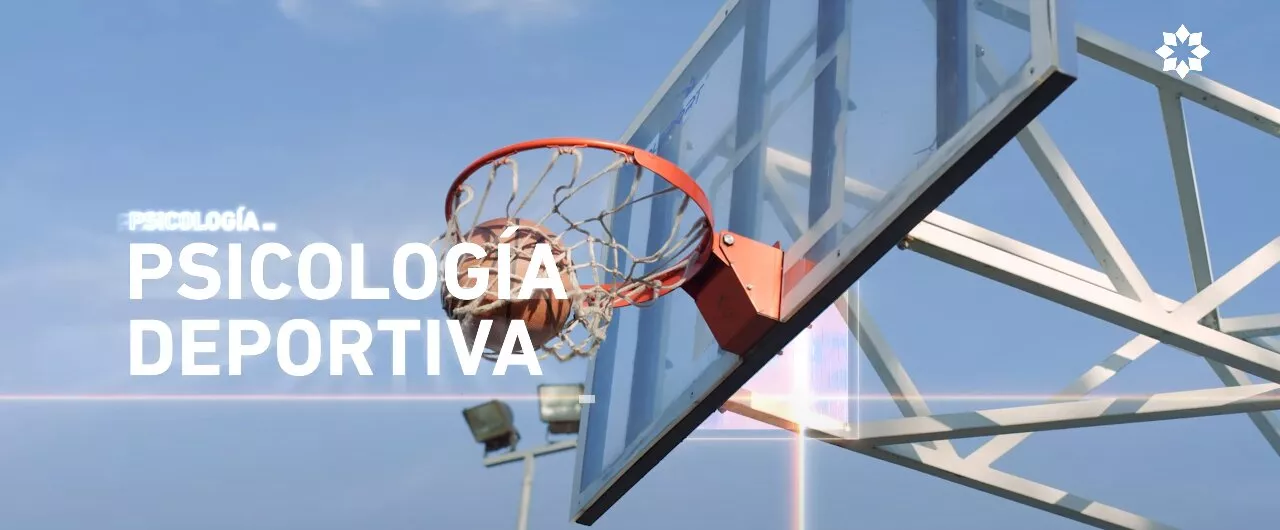
This Specialist Certification provides students with the competencies to address socioemotional and behavioral needs in athlete development. It promotes strategies for managing competitive pressure, sustaining motivation, and fostering healthy lifestyle habits. It also prepares psychologists to apply a collective approach that strengthens athletes' connections with their environments.
- Management or technical teams across various sports.
- Sports promotion programs in the public or private sector, including initiatives for vulnerable populations and individuals with disabilities.
- Esports contexts, emerging sports trends, media, and sports management.
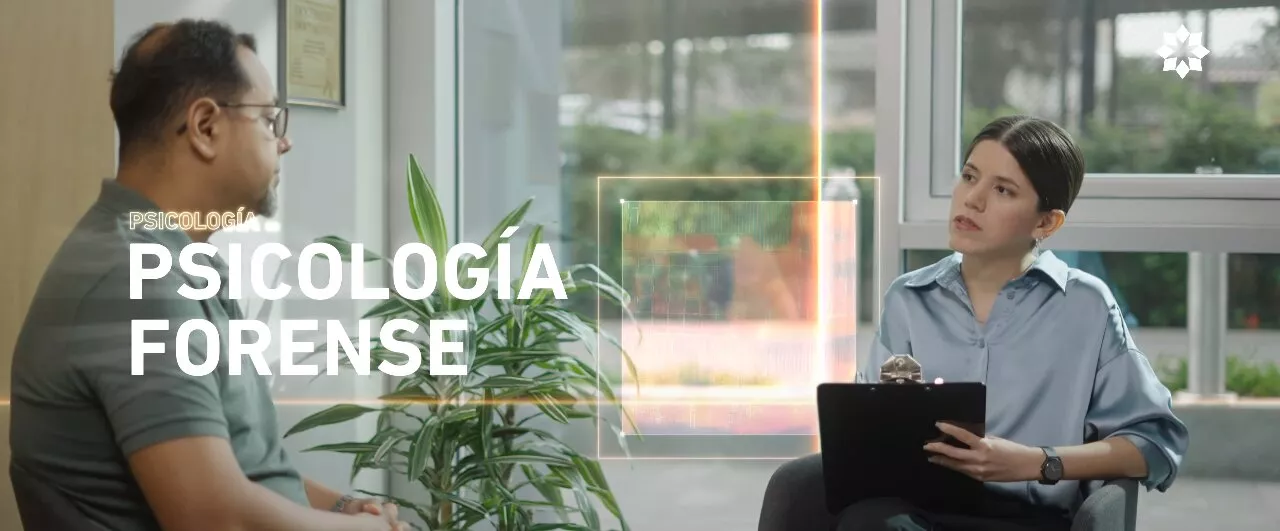
This Specialist Certification equips students to play key roles in criminal, civil, labor, and family legal proceedings. It builds skills to develop psychological profiles, prevent criminal behavior, and understand the social and psychological factors that inform forensic decisions and interventions.
- Forensic psychology roles across different areas of the legal system.
- State programs focused on crime prevention and victim support.
- Advisory positions for law enforcement agencies.
- Community and social intervention programs, including work within the penitentiary system.
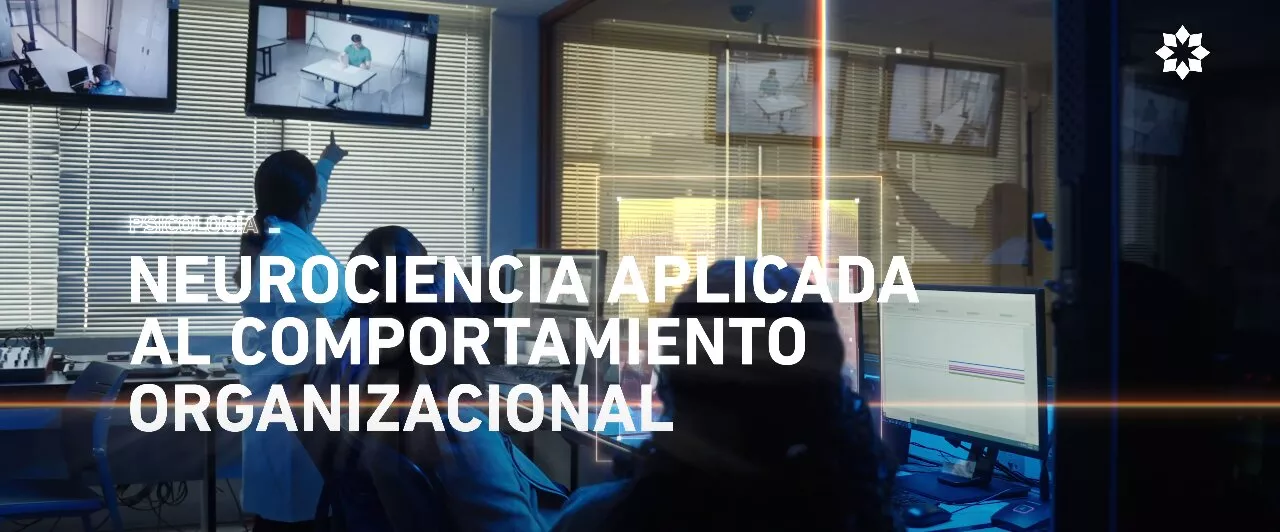
This Specialist Certification applies advances in social neuroscience to the organizational field to enhance performance and well-being at work. Social neuroscience explores how brain structure and function influence behavior in social contexts. Students learn to manage teams, foster positive relationships, and create value for both individuals and organizations. The program draws on a fast-growing discipline that is increasingly in demand in today's job market.
- As HR manager in an organization, business advisor, or corporate trainer.
- In employee development programs across public and private institutions, including roles in professional development initiatives, ministries, and consulting firms.
- In corporate internal communications, as well as in interventions focused on organizational culture and climate.
Optional Second International Bachelor's Degree
Universidad de Lima offers students the opportunity to develop in global environments, enhance their networking, and live an international experience through the optional second international bachelor's degree programs.
Universitat Abat Oliba CEU
Students in the School of Psychology at Universidad de Lima may study for one year at Universitat Abat Oliba CEU in Barcelona and earn a second degree: the Bachelor’s Degree in Psychology, an official university degree within the European Higher Education Area (EHEA). The program allows students to complete professional internships in accredited psychology centers and to pursue the Postgraduate Diploma in Sport Coaching Psychology.
Information: María Paula de la Oliva (mdelaoli@ulima.edu.pe)

University of London
Thanks to the agreement between Universidad de Lima and University of London (UOL), internationally recognized for its high academic standards, students can obtain a second international bachelor’s degree without leaving the country: Bachelor of Science in Business Administration. This program is available to students from all undergraduate programs at Universidad de Lima.
Information: uol@ulima.edu.pe

LABOR FIELD
Provides psychological counseling to individuals and organizations through evaluations, interventions, and tailored strategies designed to enhance well-being and performance.
Provides students with emotional and academic support, conducts psychological assessments and interventions to enhance well-being and performance, and collaborates in programs that promote educational and personal development.
Evaluates and provides emotional support to patients and their families, works with healthcare professionals to develop treatment plans, and participates in rehabilitation and prevention programs.
Contributes to the treatment of mental disorders and collaborates with multidisciplinary teams in rehabilitation and prevention efforts.
Designs and implements well-being and professional development programs, provides counseling in corporate strategic management, supports staff selection and training processes, and leads group dynamics to strengthen team performance and integration.
Provides counseling in talent management and workplace well-being, and facilitates organizational integration and conflict resolution.
Designs and conducts studies, processes and analyzes quantitative and qualitative data, publishes research findings in indexed journals, and collaborates with interdisciplinary teams.
Collaborates in organizations that prepare, apply, and evaluate educational, business, and social projects. Contributes to the design of psychological interventions, evaluates impacts on well-being, provides counseling to training teams, and supports the continuous improvement of programs.

AGREEMENTS
CONSORTIUM OF UNIVERSITIES
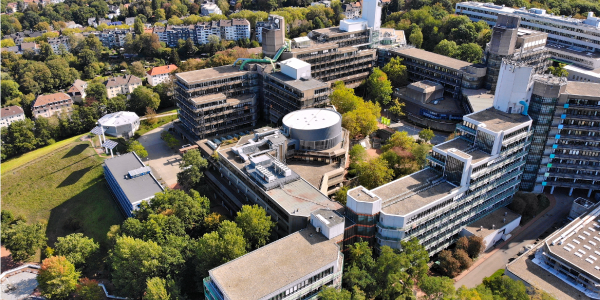
It is a non-profit civil organization comprising Pontificia Universidad Católica del Perú, Universidad del Pacífico, Universidad Peruana Cayetano Heredia and Universidad de Lima. This partnership allows students from these four institutions to access academic and university services, premises, validated courses, and credit equality for courses taken in any university of this Consortium.
PUBLICATIONS
Biannual academic journal edited by the School of Psychology and published by the Ulima Publishing Fund. It is intended for practitioners and scholars in the behavioral sciences. The journal offers a broad, critical, and diverse forum featuring theoretical and methodological articles, research reports, and literature reviews on psychology as both a discipline and a profession. It fosters an inclusive perspective that welcomes diverse theoretical approaches and applied branches of psychology.
This compendium brings together papers that follow two distinct methodologies and address four main topics. The three papers using a quantitative approach are research proposals whose authors define a problem statement, review the literature to build a theoretical framework, and outline a methodological strategy. In contrast, the seven papers using a qualitative approach are research reports whose authors gather data from small samples and present both their results and conclusions.
IAC-CINDA REACCREDITATION
The Psychology Program at Universidad de Lima earned international reaccreditation from the International Institute for Quality Assurance of the Interuniversity Development Center (IAC-CINDA) for five years. This reaccreditation seeks to strengthen the quality of the teaching–learning process and ensure that the program's efforts remain aligned with institutional goals and international quality standards.
The reaccreditation process is supported by a series of reflective mechanisms designed to demonstrate the program's ability to guide its actions toward achieving its objectives. These mechanisms operate through a dialogue that aligns the program's stated purposes with the quality criteria defined by the University as core references for the higher education it provides. IAC-CINDA, the international accrediting body, promotes a collective commitment to quality by reinforcing self-regulation through the University's internal self-assessment, IAC-CINDA's external evaluation, and the final reaccreditation decision. Additionally, it recommends monitoring actions to periodically review the University's practices and the program's performance.
MAIN BENEFITS
- Promote continuous quality improvement.
- Strengthen graduates’ employability.
- Improve academic management.
- Encourage research, innovation, and the application of new technologies in the educational process.
- Facilitate academic updating and collaboration with leading international institutions.
- Encourage students to achieve the highest standards in their academic training.
ULIMA COMMUNITY PARTICIPATION
- Members of our community—students, professors, and administrative staff—stay informed through our website and social media.
- They engage in activities including workshops and surveys.
- They commit to the self-assessment process from their respective roles and responsibilities.
- They motivate colleagues and other community members to collaborate and participate in this process.
Mexico, October 22, 2012
- The Psychology Program features an updated curriculum and graduate profile that respond to current professional requirements and developments in the field.
- The Psychology Program has established a design and strategy to implement a monitoring system for the teaching–learning process. This system ensures alignment with institutional goals, informs academic management, and guides actions and resources. In addition, the program has mechanisms that allow professors to unify criteria for teaching strategies and learning assessment in accordance with curricular needs.
Uruguay, May 13, 2016
- The Psychology Program demonstrated that its graduate profile aligns with the University’s mission and vision and reflects current disciplinary advances and professional demands.
- The Psychology Program confirmed the existence of monitoring mechanisms that coordinate, track, and evaluate adherence to the graduate profile.
- The Psychology Program showed strong recognition and positioning through its graduates, who stand out for their solid professional competencies.
Mexico, October 16, 2019
- The graduate profile, curriculum, and teaching strategies were consistent and aligned with the requirements of the different areas of psychology. They also integrated theory and practice, including social projects carried out in external centers, which strengthens students' social commitment.
- Teaching strategies incorporated various methodologies, such as exams, research training, and a final project or professional proficiency exam required to obtain the professional title.
- The Program demonstrated notable organizational progress through its transition to School status, addressing a recommendation from the prior accreditation.
- Continuous improvement of the mechanism supporting the graduate profile was acknowledged, as well as measurable advances in students' learning achievements, competencies, and attitudes.
- The General Studies Program provides the foundational tools required for academic success and cultivates habits that contribute to a university-oriented culture. Institutional management supports decision-making; however, its centralized structure may limit attention to program-specific needs.
- The institutional environment, infrastructure, facilities, and equipment were considered appropriate in both quality and quantity and aligned with the academic offerings. The preparation of students and graduates received strong recognition from employers, which is reflected in higher employability rates.
ACADEMIC MENTORING PROGRAM
Purpose
Designed for first- and second-semester students, the program provides individualized support through upper-semester peer mentors who guide new students in administrative procedures, social skills, and the academic competencies needed for a smooth transition to university life.
Objective
To help new students adapt to university life, strengthen their long-term engagement with the School, and reinforce their academic and career aspirations.
Team
Luis Esaine
lesaine@ulima.edu.pe
Cristina Salazar
cpsalaza@ulima.edu.pe
Hours
Available by appointment via email.
ACADEMIC TUTORING
It comprises a series of processes that deliver permanent support, guidance, and academic advising to Psychology students at Universidad de Lima to ensure their comprehensive education.
Specific Objectives
- Support the comprehensive development of students by strengthening the knowledge, values, attitudes, and competencies involved in their university education.
- Promote students' successful transition to university life.
- Provide individual advising for students who, based on faculty observations, show academic, behavioral, or socio-emotional challenges.
- Deliver ongoing support to help students improve their academic performance.
- Assist students in making decisions aligned with their personal and professional development goals.
- Monitor students' progress throughout their academic journey.
To participate, send an email to tutoriapsicologia@ulima.edu.pe with the following information:
- Full Name
- Student Code
- Academic Term
- Reason for Participation
Directory

Rosana Choy Vessoni
Dean
T: +511 4376767 ext. 35000
rchoy@ulima.edu.pe

María Liliana Valle Vera
Academic Secretary
T: +511 4376767 ext. 35050
mlvalle@ulima.edu.pe

Fabiola Henostroza Mesones
Academic Degrees and Professional Titles Coordinator
T: +511 4376767 ext. 35070
fhenostr@ulima.edu.pe
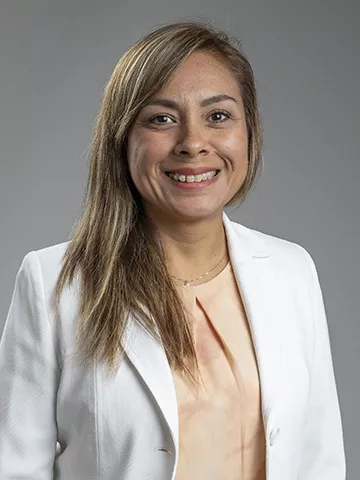
Mónica Fernández Otoya
Internship and Residency Coordinator
mfernano@ulima.edu.pe
SOCIAL PROJECTS
HÉROES DEL CENEPA
The Héroes del Cenepa Educational Institution (IE) was established on April 10, 1996. The land was donated by Asociación de Vivienda Las Praderas de La Molina, and the facilities were built by the Government. Today, the school educates 540 students at the elementary and secondary levels across morning and afternoon shifts.
The Psychological Intervention Aid Program at IE Héroes del Cenepa is one of the Social Outreach Program initiatives carried out by the Psychology Program at Universidad de Lima since August 2014.
- Apply the theoretical knowledge covered in the Psychology Program curriculum.
- Encourage the creation and use of instruments designed by Psychology students.
- Foster social responsibility and solidarity among professors and students through their vocation for service.
- Provide free psychological care through individual or group interventions and prevention programs to students, parents, professors, and the broader community.
The IE Héroes del Cenepa offers dedicated spaces where professors and students from the Psychology Program collaborate with the institution’s educational community to develop prevention and intervention initiatives in mental health and psychopedagogy. The School also fosters different environments and implements strategies that support the comprehensive development of students. Professors guide these efforts to strengthen family involvement and commitment.
Noemí Salazar
nosalaza@ulima.edu.pe
Jr. Río Rin, urbanización Las Praderas, La Molina, Lima
Phone: +511 6387149
PARROQUIA SAGRADO CORAZÓN DE JESÚS
It is a diocesan social initiative that offers a wide range of services to the community, including the Alternative Basic Education Center (CEBA) and the Technical–Productive Education Center (CETPRO). It also includes the Cristina Beatriz Educational Institution (IE), which offers elementary and secondary education to approximately 350 students.
Since the 2017-2 academic term, the School of Psychology has supported this parish through the creation of a psychopedagogical department that brings together school professors, volunteers, and psychology interns.
- Generate knowledge that addresses the educational needs and development of students and professors.
- Raise awareness of the educational reality to contribute to the well-being of society.
At both the individual and group levels, the parish carries out interventions that include talks, workshops, counseling sessions, and the creation and implementation of preventive and psychoeducational programs for the benefit of the community. These actions strengthen the social commitment of the School’s faculty and students.
Judith Yanamango
jyanaman@ulima.edu.pe
Av. Edilberto Ramos, lote 8, San Juan de Miraflores, a la altura del paradero 5 de Mayo
Phone: +511 4356458
PEBAL
The Basic Labor Education Program (Pebal)–La Inmaculada is an initiative of the Society of Jesus established in 1978 to support vulnerable populations in the Pamplona Alta neighborhood and surrounding areas of San Juan de Miraflores. Its main goal is to help these communities improve their quality of life through educational, psychological, legal, health, and social outreach services.
Since 1995, the School of Psychology—supported by the Université catholique de Louvain (Belgium)—has provided psychological services to the institutional and district community, including prevention, promotion, evaluation, counseling, and psychotherapy.
- Deliver individual and group support, together with field activities, to the institution’s communities and the surrounding areas.
- Strengthen student preparation for the development of social responsibility and outreach initiatives through the aforementioned services, under an ethical and cooperative framework.
Today, the institution has a psychological department that offers individual, group, and field support. With the collaboration of professors, interns, and volunteers from the School of Psychology, a wide range of social responsibility projects have been developed in response to institutional and community needs.
Álvaro Okumura Clark
Aokumura@ulima.edu.pe
Av. Alfredo Bambarén 327, San Juan de Miraflores
Phones: +511 2850337 / +511 4351625 / +51 982066096
SAN LUIS GONZAGA
The Educational Institution (IE 6151) was established on June 20, 1976 under the name San Luis Gonzaga Community Educational Center, offering preschool education. Elementary education was introduced in 1978, followed by secondary education in 1983. Today, the institution serves 1,200 elementary and secondary students across morning and afternoon shifts.
The Psychological Intervention Aid Program at IE San Luis Gonzaga is one of the Social Outreach initiatives carried out by the Psychology Program at Universidad de Lima since April 2014. It was formally inaugurated in May 2023 with the participation of authorities from both the school and the University.
- Apply the theoretical knowledge covered in the Psychology Program curriculum.
- Encourage the creation and use of instruments designed by Psychology students.
- Foster social responsibility and solidarity among professors and students through their vocation for service.
- Provide free psychological care through individual or group interventions and prevention programs to students, parents, professors, and the broader community.
Through their fieldwork at this institution, students begin their training in mental health and psychopedagogical prevention and intervention. This experience helps them cultivate altruistic values and strengthen their commitment to service and social responsibility. Their work takes place in the care offices established on campus. Scheduled activities include individual and group guidance for parents, students, and teachers, classroom observation, and socioemotional support through psychoeducational workshops and cognitive-stimulation and literacy programs.
Cristina Salazar
cpsalaza@ulima.edu.pe
Jr. Francisco Bolognesi, zona C s/n, San Juan de Miraflores, Lima
Phone: +511 2850322
PARROQUIA NUESTRA SEÑORA DE LA ESPERANZA
It is a large Christian Catholic community guided by Jesus Christ, Santa María de la Esperanza, and San Francisco de Asís. The TOR Franciscans are responsible for the parish.
The Psychological Department is a psychological intervention aid program offered to the social project Parroquia Nuestra Señora de la Esperanza. It has been developed by the Psychology Program at Universidad de Lima since April 2020.
- Prepare students to develop and apply social responsibility initiatives through community service at multiple intervention levels, guided by objectivity and ethical standards.
- Deliver intervention, prevention, and promotion actions that respond to community needs, based on the academic training and competencies of Ulima students and professors, and grounded in respect, solidarity, and teamwork.
- Provide free psychological services through individual or group intervention and prevention programs for students, families, faculty, and the community.
The social projects of the Psychology Program strengthen students' academic training and promote social responsibility by engaging them in community service at different intervention levels. These experiences mark their first steps in the intervention field. As a result, students carry out mental health prevention and intervention activities within this parish, supported by care services offered in the office, workshops, and psychological support groups.
Rossana Bevilacqua
rbevilac@ulima.edu.pe
Av. Los Quechuas 424, Salamanca, Ate, Lima
Phone: +511 4351625
ALDIMI
ALDIMI shelter is a non-profit civil organization that assists provincial cancer patients who arrive in Lima for treatment and lack economic resources, relatives, or housing. Its mission is to ensure that every Peruvian citizen facing cancer and extreme poverty has access to treatment, with the goal of achieving full integration into the community.
Since April 2024, the School of Psychology at Universidad de Lima has delivered psychosocial support, guidance, and psychological intervention to cancer patients and their relatives.
- Provide psycho-oncological support to cancer patients living in extreme poverty and to their relatives, in order to help them face the illness, improve their quality of life, and strengthen their social reintegration.
- Conduct psycho-oncological prevention, promotion, treatment, and rehabilitation actions throughout the different phases of cancer, allowing Ulima students and professors to apply academic knowledge under ethical standards.
- Equip students and volunteers with a strong sense of social responsibility through community service, in order to help reduce health gaps and inequalities.
The Psychology Department provides clinical and educational support through individual and group approaches that strengthen the adaptation process of cancer patients and assist them in their socioemotional coping. Its work includes promotional, preventive, intervention, and rehabilitation activities. Volunteer students, supervised by expert professors in the clinical and educational fields, aim to develop and refine their competencies as future psychologists, in order to offer ethical and high-quality support to individuals staying in shelters.
Cristina Paola Salazar Migone
cpsalaza@ulima.edu.pe
Calle Kandinsky 236, urbanización Vipep, Surquillo, Lima
Mobile: +51 994144204
LA ALEGRÍA EN EL SEÑOR
La Alegría en el Señor School (LAS) was founded by Miss Rosemarie Stemmler on May 15, 1954, as an institution dedicated to regular basic education and to the development of children with physical or motor disabilities at the early childhood, elementary, and secondary levels. The school is recognized for its commitment to supporting diverse abilities through adapted and inclusive educational approaches that strengthen resilience and prepare students to face contemporary challenges. Since 2001, it has been administered by the Sisters Servants of the Plan of God.
LAS offers a range of supplementary services tailored to each student's needs, including education; rehabilitation therapy; psychological and pastoral guidance; parent training; accessible facilities; and school nutrition services.
Since August 2024, the Psychology Program at Universidad de Lima has supported LAS School as part of its social outreach initiatives.
- Promote holistic development.
- Enhance student learning.
- Deliver psychoeducational support to the school community based on the functional diversity model, which promotes inclusive and equitable educational processes for individuals with disabilities.
The team's work strengthens the social commitment and service-oriented approach of the School's professors and students. By advising and supporting the psychopedagogical department, the team offers individual and group guidance to parents, students, and teachers, along with workshops and psychoeducational programs focused on inclusive education. It also conducts classroom observations, provides socioemotional support, and offers training for teachers to advance inclusive practices. Faculty members and students collaborate with the educational community to design effective strategies for mental health and psychopedagogical prevention and intervention.
Mabel Alvarado Donaires
MIALVARA@ulima.edu.pe
Calle Campo Verde 123, La Molina
INTERESTED IN JOINING OUR VOLUNTEER TEAM?
Your support as a volunteer has been paramount to our initiatives. We invite you to read the conditions outlined below and consider becoming part of the Psychology Program's social outreach projects.
- We engage with children, adolescents, adults (parents and teachers), and elderly participants.
- Our work encompasses group workshops, family-education activities, teacher-training programs, and capacity-building sessions for mother-childminders in wawa wasis (a State early-childhood initiative).
- Each project includes continuous individual and group supervision provided by faculty members from the Psychology Program.
- Social commitment
- Enrollment in the Psychology Program (any academic term)
- Strong social skills to interact with groups and individuals
- Availability of over 3 hours per week
- Availability to attend coordination meetings
- Strengthen your skills and gain experience in volunteer initiatives.
- Receive a volunteer participation certificate that supports your academic and professional profile.
- Access continuous training provided by the faculty team leading the projects.
Pebal: aokumura@ulima.edu.pe
San Luis Gonzaga: cpsalaza@ulima.edu.pe
Héroes del Cenepa: nosalaza@ulima.edu.pe
Parroquia Sagrado Corazón de Jesús: jyanaman@ulima.edu.pe
Parroquia Nuestra Señora de la Esperanza: rbevilac@ulima.edu.pe
WORK REPOSITORY
Compilation of the most outstanding works from our students. This repository's goal is to boost the research spirit and disseminate contributions produced by Ulima community members.
LIFELONG LEARNING
Keep your competencies, skills and knowledge updated throughout your entire professional life.
GRADUATE STUDIES
Our master's and doctoral programs focus on training interdisciplinary professionals who promote innovation, entrepreneurship and research.
EXECUTIVE EDUCATION
The Executive Education Office (DEC) at Universidad de Lima offers workshops, courses, and specialization programs to train executives, professionals, and business leaders in key areas of management.
STUDY ABROAD
If you wish to study abroad, this is the right place to find all relevant information about scholarships and academic opportunities.
LANGUAGES
The Ulima Language Center equips students with the skills and knowledge needed to communicate effectively in English across diverse contexts. Below are some of our programs:
LABORATORIES
PSYCHOLOGY LABORATORY SPACES
APPLIED NEUROSCIENCE LABORATORY
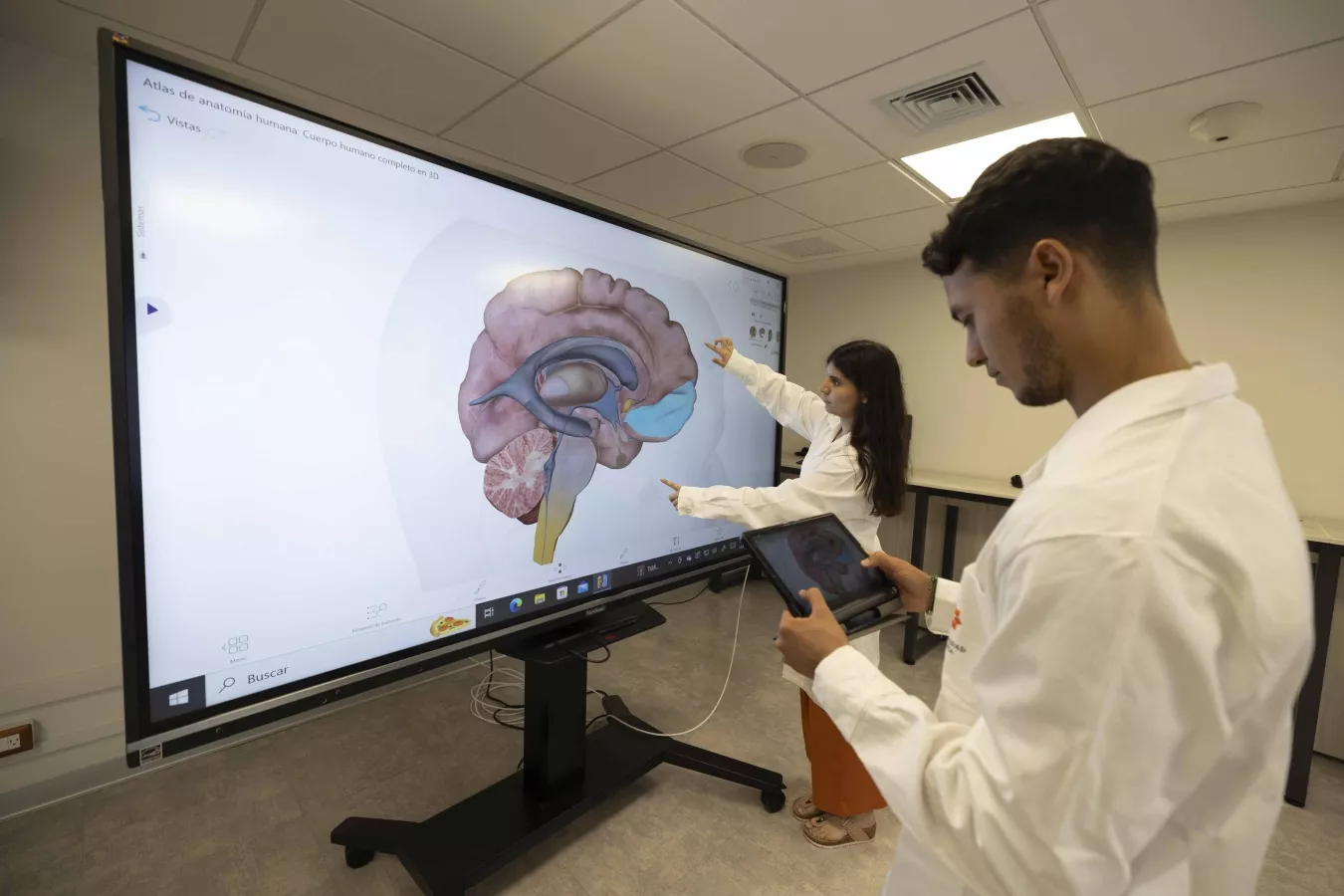
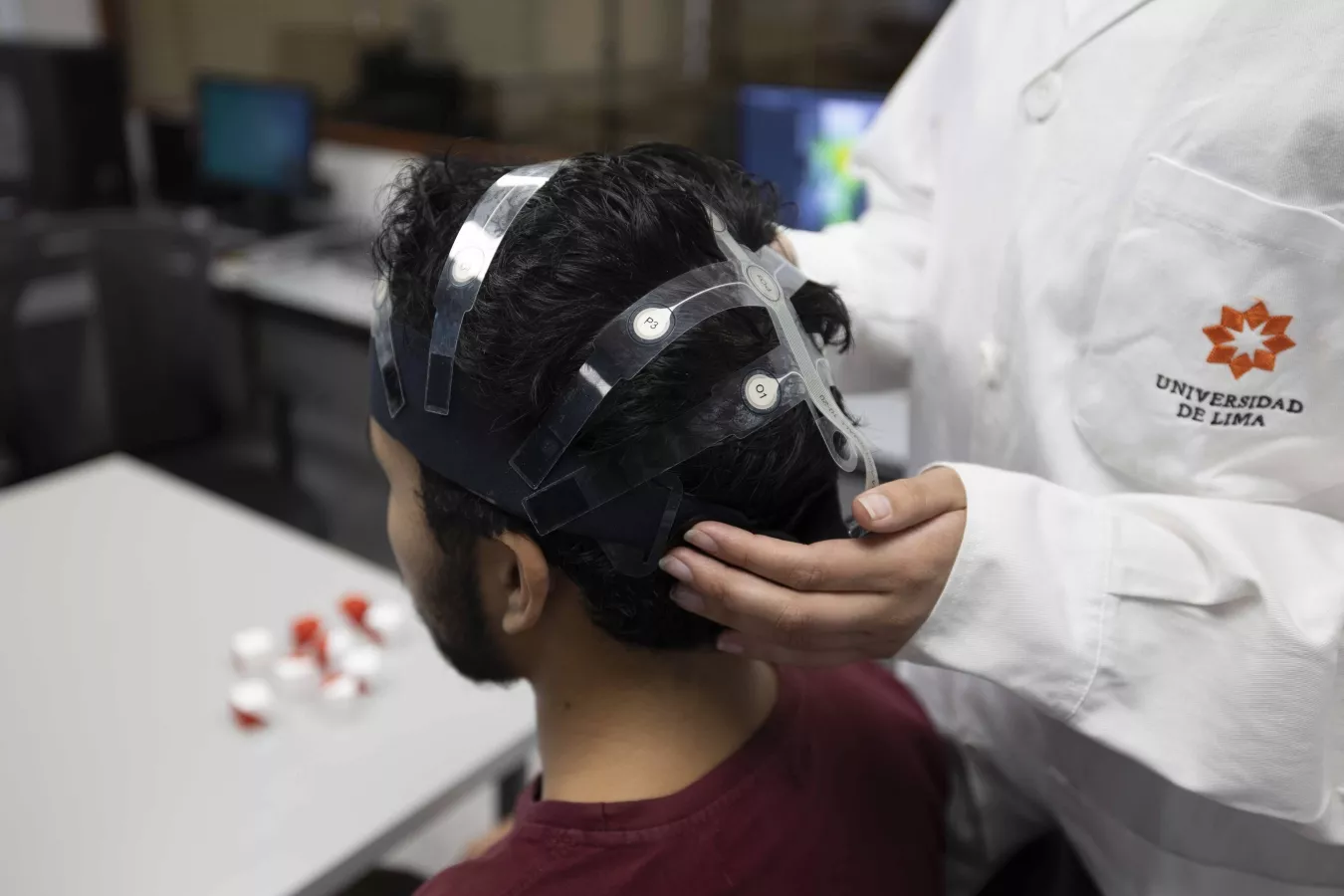
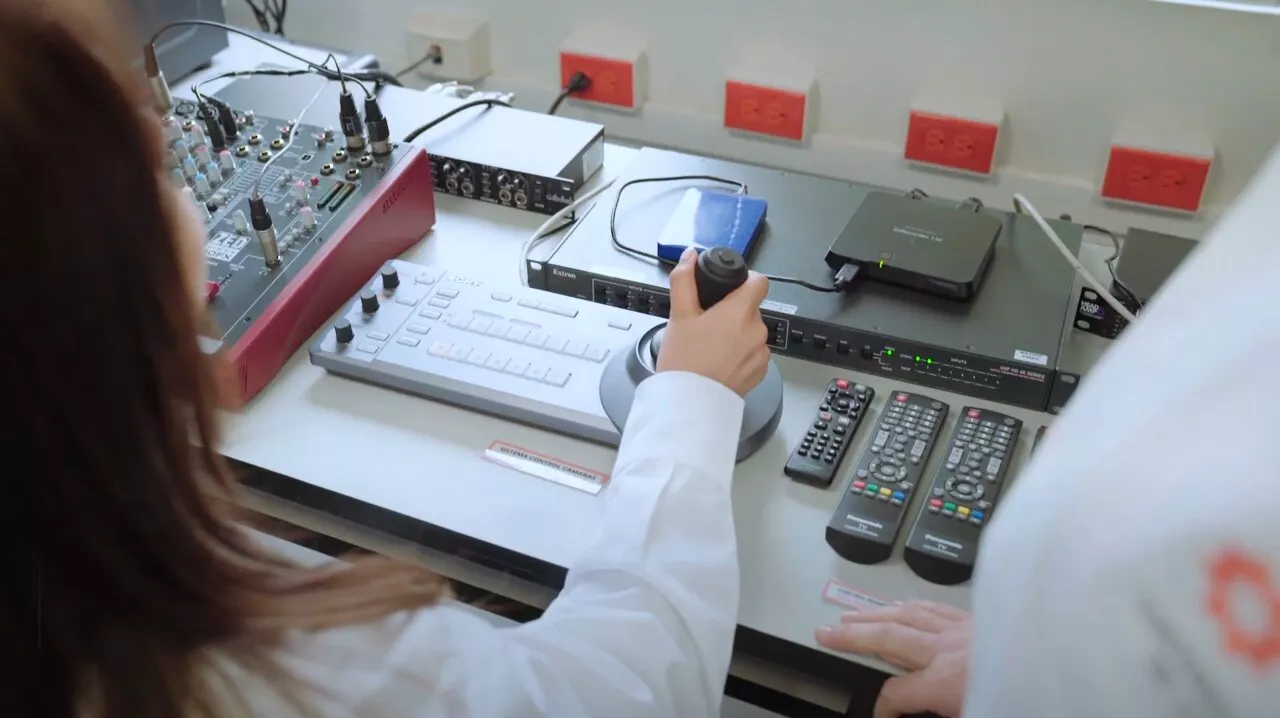
It features equipment designed to collect physiological and behavioral data. Both software and hardware are available in the individual/group intervention and observation rooms. Undergraduate and graduate students, professors, and researchers have access to this equipment under the supervision of a laboratory team member.

PSYCHOMETRIC OFFICE
It features a collection of over 250 psychological tests that assess different aspects of human development. This allows students to develop competencies in diagnosis, intervention, training, and research. Each instrument includes data and technical fact sheets. The Psychometric Office provides access to databases with abstracts from psychology journals worldwide.

VIRTUAL LABORATORY
This space includes multimedia equipment and software that enable students to run simulations with interactive modules, analyze videos related to major psychological and psychophysiological processes, carry out experiments, among other academic activities.

INDIVIDUAL INTERVENTION ROOM
It is a space designed to conduct individual interviews, observations, evaluations, and interventions for children, adolescents, and adults.

OBSERVATION ROOM
This room allows monitoring of both the group and individual observation areas. It enables real-time observation, audio monitoring, and video recording in both spaces, as well as audio communication with users through a wireless microphone. It also includes a live-streaming system that displays activities from these spaces. In addition, it provides access to the Applied Neuroscience Area software and Observer XT, the platform that integrates all physiological and behavioral data generated in the area.

GROUP OBSERVATION ROOM
It is a space designed for group observations, evaluations, and interventions. The room also houses TrackLab, a technological tool within the Applied Neuroscience Area that allows the tracing of movement trajectories in the physical space of individuals or groups.

PROFESSORS
Our professors stand out not only for their academic and professional achievements, but also for their dedication to teaching and their commitment to fostering ethical and critical education. Through their work, Ulima professors promote the development of knowledge, research, and social responsibility to prepare leaders who make a positive impact on society.
STUDY CIRCLES
ACTIVITIES
PRESENTATION
The School of Psychology at Universidad de Lima offers a range of academic events that include Psychology Thursdays, national and international seminars, specialized workshops, and keynote lectures. We invite the entire academic community to participate in these activities.
For more information about our events, please contact eventopsicologia@ulima.edu.pe.
We look forward to welcoming you into a space that inspires learning and academic development.
PSYCHOLOGY THURSDAYS
Psychology Thursdays is a longstanding tradition of the Psychology Program. Every Thursday, from 11:00 to 13:00 hours, an expert—or a team of experts—addresses a specific topic. Admission is free.
Information
Building D1, Floor 4
Phone: +511 4376767 ext. 35015 / 35001
eventopsicologia@ulima.edu.pe

RESEARCH MEETINGS
This academic activity showcases the latest research papers developed by students, graduates, and faculty of the School of Psychology through a series of conferences offered in virtual sessions.

PSYCHOLOGIST WEEK
Academic and cultural activity that celebrates Psychologist's Day through conferences on current psychological topics. In addition, a talent show will take place featuring professors and students from the Psychology Program.

NEWS AND INTERVIEWS
AGENDA
We have no upcoming events for this area.