
Communication
About
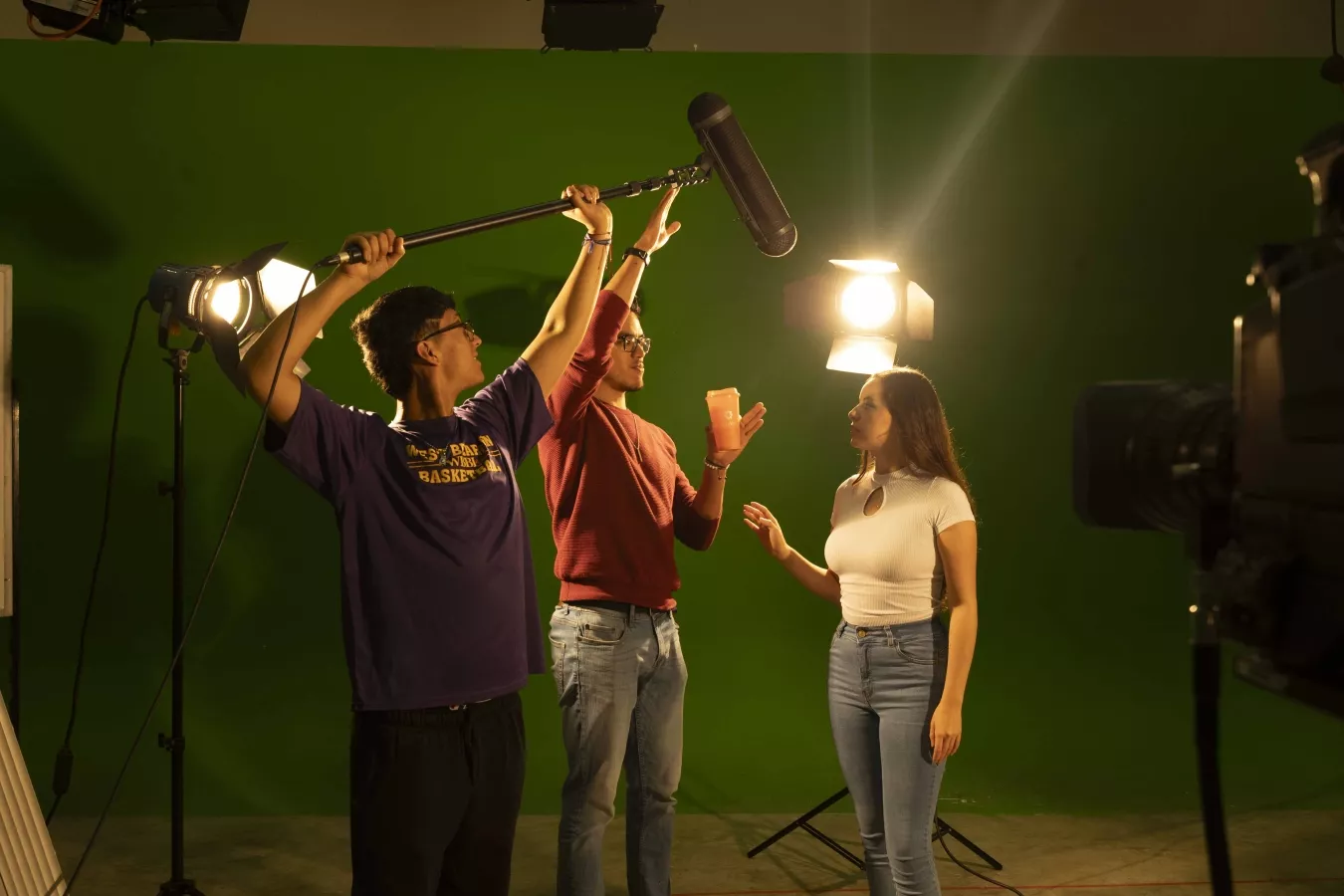
The Communication Program—established in 1972 as a trailblazer in the field—delivers a comprehensive education focused on communication project planning and management, as well as the development of innovative products driven by creativity and critical thinking. Its flexible curriculum provides students with a broad understanding of the profession and the opportunity to choose one or more specializations.
Professionals skilled in leading and shaping communication strategies through research and innovation. With critical thinking and a creative mindset, they design and manage impactful communication products guided by ethical and social responsibility.
General Competencies
- Systems Thinking: Integrates complex systems for a broad, strategic outlook.
- Creative Problem-Solving: Uses innovation to solve challenges and drive change.
- Assertive Communication: Communicates clearly and effectively with emotional intelligence.
- Collaborative Work: Thrives in teamwork by fostering collaboration and a positive environment.
- Curiosity for Knowledge: Engages in research to explore new knowledge and insights.
- Learning Monitoring: Self-regulates learning by setting goals, implementing strategies, and optimizing resources
- Critical Thinking: Analyzes situations, perspectives, and information critically to ensure well-founded decisions and social well-being.
- Social Commitment: Demonstrates civic responsibility to promote inclusive and respectful communities.
Specific Competencies
- Social Process Assessment: Identifies solutions to social needs and issues by applying a communication perspective.
- Strategic Design: Develops communication strategies based on audience characteristics to achieve business, social, and cultural objectives.
- Storytelling: Creates emotionally engaging stories that achieve communication goals.
- Creative Production: Produces original, high-quality content to effectively communicate messages.
Mission
Educate versatile and socially responsible communicators through a flexible curriculum.
Vision
Be recognized throughout Latin America for excellence in communication education and for advancing research and professional practice that foster positive social change.
CURRICULUM
The School of Communication offers a flexible curriculum consisting of 53.5% mandatory credits, 43.5% elective credits, and 3% of credits required for graduation. This structure allows students to gain comprehensive knowledge in related fields and pursue one or more specialist certifications.
Our curriculum shapes globally minded and versatile communicators, allowing them to specialize in this dynamic and multifaceted field according to their interests and career goals.
SPECIALIST CERTIFICATIONS
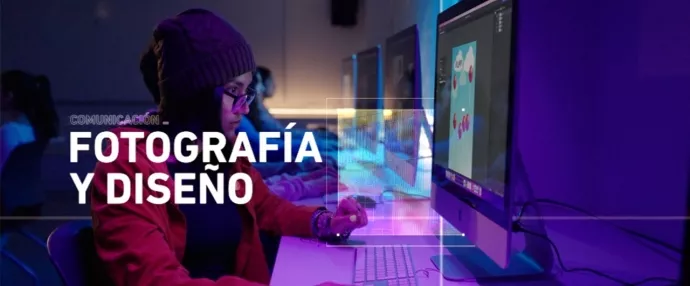
This Specialist Certification equips students with the skills to analyze, systematize, and develop content related to visual communication, serving as a bridge for effective communication in social and commercial projects. Students will develop expertise in production, post-production, and pre-printing, as well as in the use of design and imaging applications for digital communication. This provides a comprehensive understanding of the entire visual creation process.
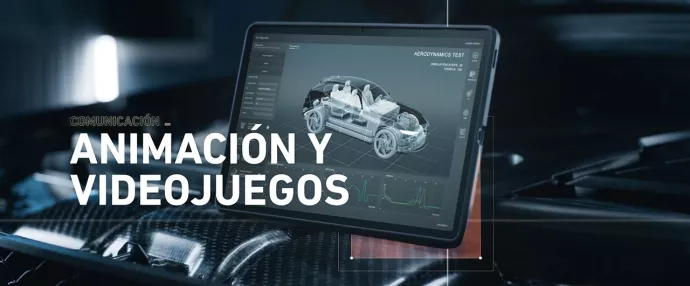
This Specialist Certification provides students with specific knowledge in mobile game design, equipping them to meet the needs of companies, institutions, and markets. They will also acquire the skills and competencies to design interactive digital applications. In both areas, students will be fully equipped to create, manage, and assess comprehensive projects.
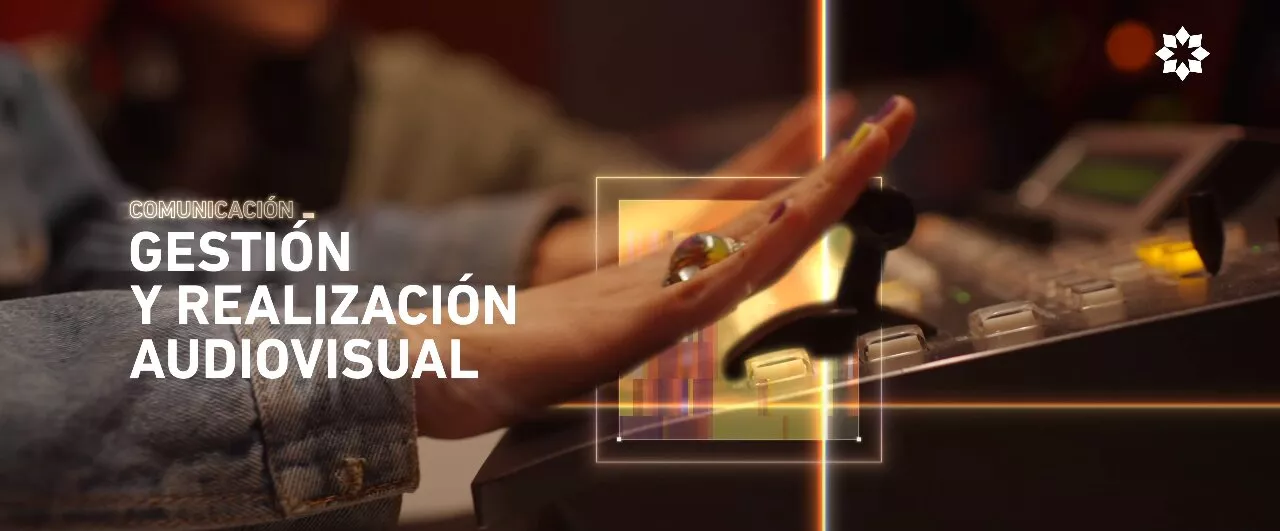
This Specialist Certification provides students with specific competencies to create, manage, and lead audiovisual content based on the needs of different audiences and platforms, with the final goal of generating innovative solutions that benefit society.
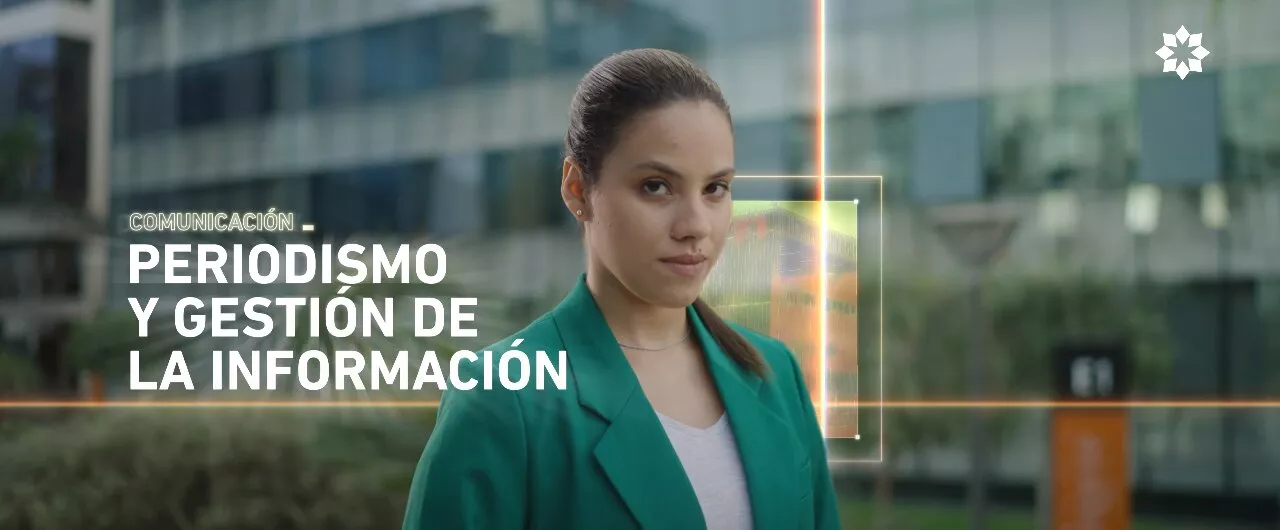
This Specialist Certification provides students with the essential tools to create, manage, and lead information content based on the needs of different audiences and platforms. As part of this, students will apply ethical principles that contribute to public opinion and societal development.
This Specialist Certification provides students with specific knowledge to work in the areas of planning, research, creativity, media, emerging digital technologies, and marketing. Students will become strategic thinkers fully capable of devising innovative communication solutions to meet marketing goals—whether for commercial or social purposes.

This Specialist Certification provides students with specific knowledge to design, manage, assess, and implement communication projects to drive societal transformation and improvement.
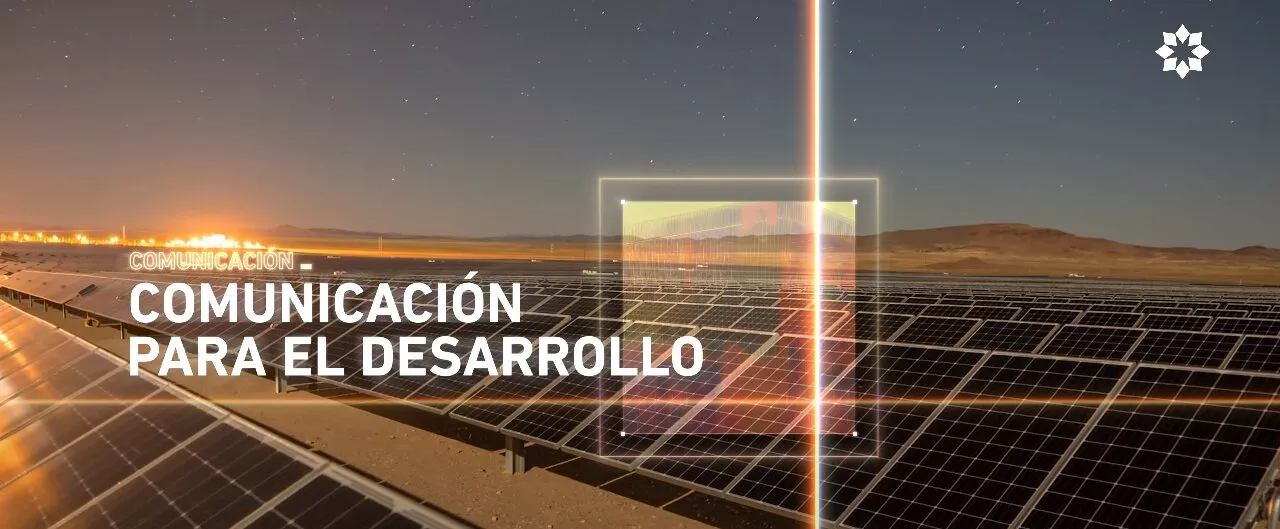
This Specialist Certification provides students with specific knowledge to plan, create, execute and assess communication strategies, projects, and outputs, aligned with the goals and contexts of organizations. The final aim is to contribute to the development of innovative solutions that boost productivity and competitiveness, while fostering value creation.

ACADEMIC DEGREES AND PROFESSIONAL TITLES
Students who have completed their studies in Communication are eligible to apply for the bachelor's degree. Once obtained, they may then apply for the professional title.
To view the General Regulations on Academic Degrees and Professional Titles, click here.
Requirements
- Hold the graduate status in Communication. See the video tutorial on how to request your graduation certificate.
- Have your final report for your internship (pre-professional or professional) or work experience approved, with at least six months of experience. Find the registration instructions here.
- Demonstrate proficiency in a foreign language at the Ulima Language Center. For more information, click here.
- Successfully complete a research course in the tenth semester, such as Professional Project II or Research Project II.
Student Guide
The process covers the graduate status, Bachelor's degree, graduation ceremony, and professional title. Find out more here.
If you meet all the requirements, see this video tutorial on how to obtain your Bachelor's diploma.
Requirements
- Hold a Bachelor's degree in Communication from Universidad Lima.
- Successfully complete one of the professional title pathways (thesis or professional proficiency project).
- Complete the administrative process to obtain the professional title.
Modalities
- Thesis
- Thesis
- Academic paper
- Professional proficiency project
- Professional project
- Case presentation
- Report on qualified professional experience
Process
To learn about the process for obtaining the professional title, click here.
If you meet all the requirements, see this video tutorial on how to request your professional title.
Option A: Thesis
Designed for students seeking to engage in academic research, this modality requires a rigorous study on a communication-related topic.
Submodalities
- Thesis
A structured research project with chapters, up to 60 pages long, including cover page, main text, references, and annexes. This submodality enables a thorough and structured analysis of a research topic.
- Academic paper
A structured scientific research paper, up to 20 pages long, including cover page, author, abstract, introduction, methodology, results, discussion, references, footnotes, tables, figures, and captions. It should be written with a publication-oriented approach for a specialized journal and provide a well-founded academic contribution.
Option B: Professional Proficiency Project
A practical pathway that allows students to apply their knowledge in real-world communication settings.
Submodalities
- Professional project
Creation and development of a communication product for production, intervention, or application. This option is available year-round. The project may build upon work initiated in the Professional Project II course or be a new project that applies academic knowledge in a real-world context.
- Professional title through case presentation
Available only through a scheduled call for applications, held twice a year in March and August. It is conducted in pairs and requires the analysis and resolution of a relevant case in the communication field.
- Report on qualified professional experience
Available year-round for individuals with a Bachelor's degree and at least 10 years of experience. It allows candidates to showcase their expertise through a detailed report that reflects their career path.
The School of Communication offers the following Specialist Certifications:
- Photography and Design
- Animation and Video Games
- Audiovisual Management and Production
- Journalism and Information Management
- Advertising and Marketing
- Communication for Development
- Corporate Communication
For more information, click here.
Requirements:
- Bachelor’s degree.
- Weighted average of at least 14.00 in the required courses.
- Successful completion of all Specialist Certification courses within two attempts.
Communication graduates who meet the requirements for a Specialist Certification can request it through Mi Ulima portal.
For more information, click here.
School of Communication
Academic Degrees and Professional Titles Office
Building E3, Floor 1
Business Hours: Monday–Friday, 9:00 a.m.–6:00 p.m.
Phone: +511 4376767 ext. 35521
gradosytituloscom@ulima.edu.pe
Virtual Advising: Monday–Friday, 9:00–10:00 a.m., via Zoom.
Labor Field
Leadership, management, human resources, institutional image, public relations, marketing, press, internal communication, content generation, photography, graphic design.
Leadership, management, production, direction, script writing, photography direction, art direction, actor direction, camera direction, editing, post-production and visual effects, colors, 2D/3D animation, casting, sounds, camera, sound design, music scoring, lights, conducting.
Creativity, planning, accounts, production, conducting, 2D/3D animation, marketing, media, study market study and research, photography.
Creative direction, art direction, design direction, production supervision, web design and interactive applications, design of materials and graphic pieces.
Management, analysis and opinion, research, interpretation, writing, production, editing, articles, photography, infographics, design and layout.
Leadership, management, human resources, image, public relations, marketing, press, internal communication, audit, consulting services, design of graphic pieces.
Character design, production, script writing, art direction, 2D/3D animation, video game design, tester.
Consulting services, audiovisual production, podcasting, community manager, content creator.
Leadership, research, analysis, planning, market studies, press, publications, consulting services, recruitment, research institutions, think tanks.
Leadership, teaching, planning, consulting services, research.
Leadership, research, data analysis, planning, market studies, press, publications, consulting services, institutional image, project management.
Leadership, communication management, human resources, institutional image, public relations, marketing, press, internal communication, audit, consulting services.

Agreements
CONSORTIUM OF UNIVERSITIES
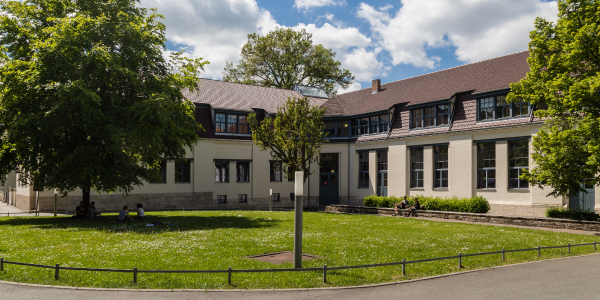
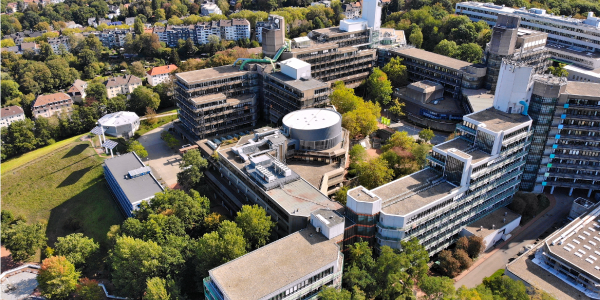
It is a nonprofit civil association comprising Pontificia Universidad Católica del Perú, Universidad del Pacífico, Universidad Peruana Cayetano Heredia, and Universidad de Lima. Through this partnership, students from these four institutions can access academic and university services, use facilities, transfer course credits, and pay the same per-credit tuition rate across the Consortium.
Optional Second International Bachelor's Degree
Universidad de Lima offers students the opportunity to gain experience in global environments, expand their networks, and pursue an international academic experience through its optional second international bachelor's degree programs.
University of London
Through its agreement with the University of London (UoL), internationally recognized for its high academic standards, Universidad de Lima offers students the opportunity to earn a second international bachelor’s degree—the Bachelor of Science in Business Administration—without leaving Peru. The program is open to students from all undergraduate programs at Universidad de Lima.
Information: uol@ulima.edu.pe

UNESCO Chair in Communication and Culture of Peace
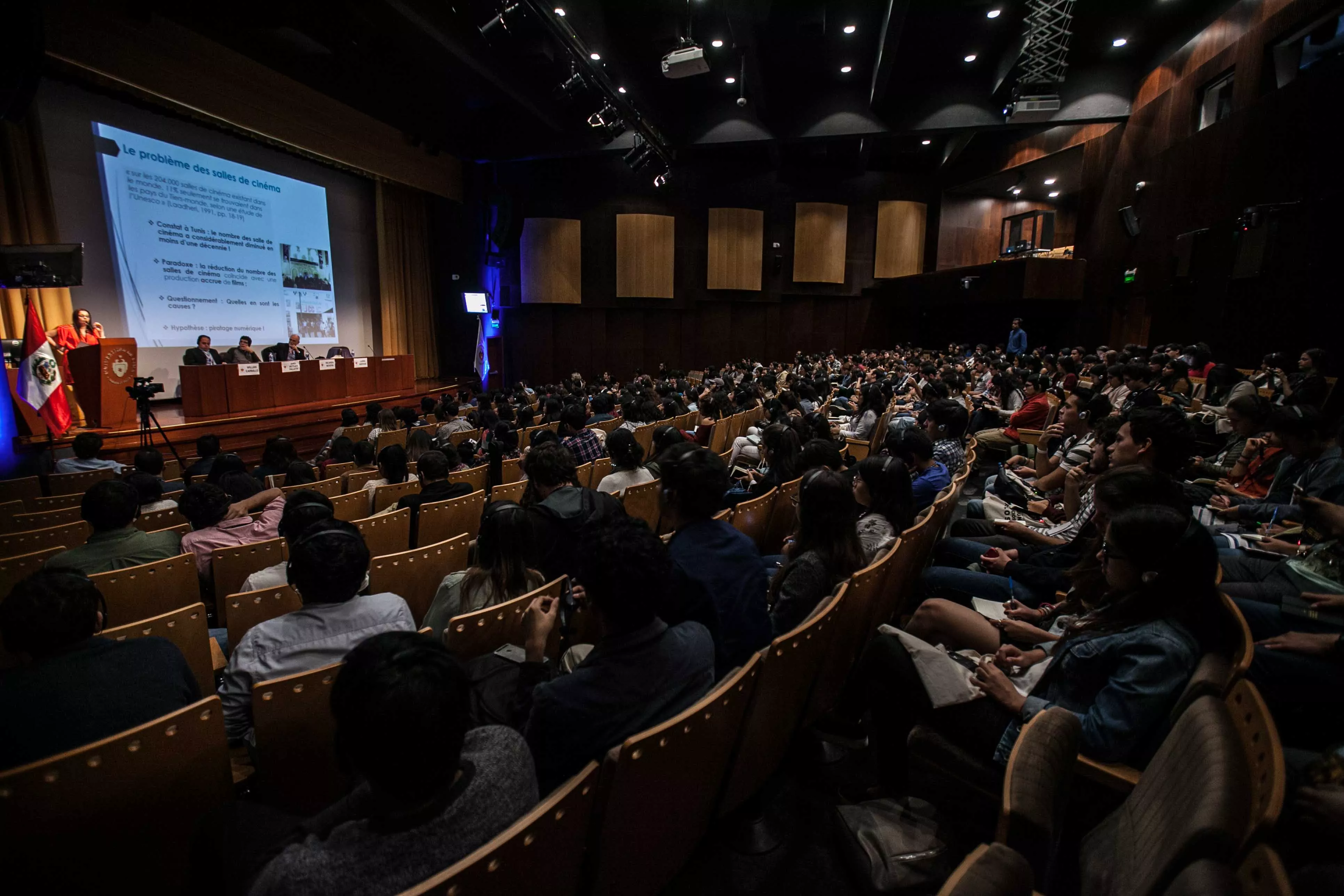
The UNESCO Chair in Communication and Culture of Peace, assigned to Universidad de Lima in Peru since 2003, promotes a culture of peace as a vision that upholds respect for freedom, justice, democracy, human rights, tolerance, equality, and solidarity. It brings together citizens and the university community through initiatives structured around three strategic pillars:
- Press and Information Society: Critical analysis of the media ecosystem and its impact on public opinion.
- Media Literacy: Citizen education focused on ethical, analytical, and creative engagement with media.
- Interculturality and Politics: Analysis of narratives that foster cross-cultural dialogue and democratic values.
Through academic research, community engagement, and spaces for dialogue, the Chair identifies communication challenges and designs strategies that strengthen a culture of peace in Peru and beyond.
As Dean, I am honored to welcome you all to the UNESCO Chair in Communication and Culture of Peace—an initiative that reaffirms Universidad de Lima's unwavering commitment to building fair, inclusive, and compassionate societies.
Peace is not only an aspiration but a way of life, nurtured through respect, dialogue, mutual understanding, and civic engagement. At this Chair, we promote critical reflection, media education, and the analysis of public narratives as means to strengthen democratic values and protect human rights.
We invite students, faculty, scholars, and citizens to join this collective effort that uses communication as a tool for transformation and hope. May this Chair continue to be a source of inspiration, reflection, and collective action for the common good.
Carlos Rivadeneyra Olcese
- Giancarlo Carbone de Mora
- Carlos Quiroz
- Néstor Martos
- Jorge Montalvo
- Percy Subauste
- Manuel Santillán
- Rocio Villacorta
- Alberto Villar
- Mathías Mackelmann
eMonitor Project
This project examines the digital information environment during electoral periods to identify disinformation, hate speech, and digital violence on social media.
Follow the latest news and download the full reports on Nexos:
Digital Toxicity During Electoral Periods
Social Media Debate Among Undecided Voters
Electoral Report: Disinformation, Hate Speech, and Digital Violence on Social Media
- Seminars
The UNESCO Chair seminars are spaces for academic and civic dialogue that address key topics in communication, culture of peace, media literacy, and interculturality. They bring together diverse stakeholders to reflect, learn, and develop proposals that inspire meaningful change.
- Courses
The UNESCO Chair provides specialized courses focused on communication as a means to promote peace, encourage critical thinking, and strengthen civic engagement. These courses are intended for students and professionals committed to transforming their communities through dialogue, ethics, and respect for cultural diversity.
- Discussion Panels
The UNESCO Chair hosts open panels that foster dialogue among scholars, communicators, students, and community leaders. These spaces address contemporary issues from diverse and critical perspectives, reinforcing our commitment to a culture of peace and intercultural dialogue.
- Expert Roundtables
The roundtables organized by the UNESCO Chair bring together specialists and diverse perspectives to discuss urgent topics related to communication, human rights, and peacebuilding. They serve as inclusive spaces for reflection and collaboration, where knowledge is collectively built through dialogue and mutual respect.
- Scholarly Works
The UNESCO Chair produces research, publications, and educational materials that delve into the connections between communication, culture of peace, and interculturality. These contributions enrich academic discussion, foster critical thinking, and promote social transformation through knowledge.
- Other Events
In addition to its seminars, courses, and dialogue spaces, the UNESCO Chair promotes diverse initiatives such as workshops, exhibitions, communication campaigns, interinstitutional collaborations, and community projects. These activities expand the impact of the culture of peace, fostering creativity, engagement, and ethical responsibility through diverse media and formats.
2025 Activities
- Teaching Computational Thinking and Artificial Intelligence Without Screens
- Insecurity Narratives in Peru: Perceptions, Violence, and Fear
- The Chair at 2025 Film Week: Discussions and Presentations
2024 Activities
- Books
The UNESCO Chair publishes and supports books that explore the culture of peace through interdisciplinary and innovative perspectives. Produced under its own imprint or in collaboration with other institutions, these volumes bring together research, essays, and testimonies that enrich academic and social dialogue. Explore our publications and the voices shaping peace through knowledge, history, and collective action.
Protagonists of Change
Semiotics of the City
- Journals
The UNESCO Chair contributes to the editing and dissemination of academic and cultural journals that foster critical thinking, intercultural dialogue, and the advancement of a culture of peace. These editorial spaces feature articles, essays, interviews, and experiences that integrate multiple perspectives and innovative frameworks.
- Research
The UNESCO Chair fosters and participates in research projects that address the culture of peace from interdisciplinary, ethical, and context-based perspectives. These initiatives are closely connected to Universidad de Lima’s publications and journals, generating rigorous knowledge committed to social transformation. We invite researchers, faculty, and students to join projects that integrate academic inquiry, collective action, and intercultural dialogue.
- Correpalabras Project (Digital App)
Correpalabras is a children’s reading app that enables users to adjust the text speed, allowing each child to read at their own pace. It features a diverse library of illustrated stories. The project was developed by the School of Communication, the Scientific Research Institute (IDIC), and the Information Technology Learning Laboratory (ITLab) at Universidad de Lima.
In 2020, the app received the ¡Acción ya! Award from Espacio Fundación Telefónica. In 2023, it received a research award in the field of books and reading from Peru’s Ministry of Culture.
- Android App: Click here to download
- iOS App: Click here to download
- Project Website: https://master.dmrc215ez7m1.amplifyapp.com/
The UNESCO Chair builds partnerships with universities, social organizations, cultural institutions, and international networks that share a commitment to the culture of peace. These alliances strengthen cooperation, expand the impact of our initiatives, and create opportunities for innovation, exchange, and advocacy. Together, we build bridges to turn today’s challenges into opportunities for dialogue, equity, and coexistence.
Strategic Partners:
- UNITWIN Network
- ORBICOM Network
- UNESCO Lima and UNESCO Paris
Discover our interactive catalog, a dynamic platform that showcases the UNESCO Chair's work. Its user-friendly search tool allows you to filter by keywords, titles, authors, topics, and dates, providing access to academic, cultural, and educational resources on communication and peace.
Questions, suggestions, or collaboration ideas for the UNESCO Chair? We’re ready to hear from you. Contact us and let’s create spaces for dialogue, knowledge, and transformation together. Your voice plays a key role in this conversation for peace.
Email: (coming soon)
Wednesday, October 14, 2026
- The Challenges of Credibility in the Age of Artificial Intelligence
Speaker: Samrita Menon, Associate Specialist, UNESCO Media and Information Literacy (MIL) and Digital Competencies Programme, Communication and Information Sector (IND)
Time: 12:15–1:15 p.m.
Location: Ulima, ZUM Auditorium
- Presentation of the UNESCO Guide Growing Up in a Connected World: You Can Learn!
Speaker: Samrita Menon, Associate Specialist, UNESCO Media and Information Literacy (MIL) and Digital Competencies Programme, Communication and Information Sector (IND)
Time: 3:10–5:00 p.m.
Location: Ulima, Aula Magna O3
- Crisis, Voting, and Trust: Disinformation and Digital Participation
Speakers: Carolina Fernández (Digital Democracy Associate, UNDP Peru), Alisson Ramirez (eMonitor+ Monitoring Coordinator, UNDP Peru), Dr. Guillermo Raúl Huamani (faculty member, Universidad Nacional de San Agustín de Arequipa, Peru), and Dr. Eliana Aranibar Melgar (faculty member, Universidad Nacional de San Agustín de Arequipa, Peru))
Time: 4:30–6:00 p.m.
Location: Ulima, Auditorium O
Thursday, October 15, 2026
- Shaping Future Narratives: AI in Production
Speakers: Diego Velásquez (Creative Director, Makaco, Peru), Alonso Vega-Peña (Audiovisual Director and Co-Founder, Maneki Studio, Peru), and Roberto “El Jarcor” Barba (Short Film Director, Peru)
Time: 9:30–10:15 a.m.
Location: Ulima, ZUM Auditorium
Publications
The Publishing Fund publishes works that showcase the intellectual and research contributions of Universidad de Lima faculty. It seeks to engage the university community by sharing ideas and knowledge across diverse disciplines. Learn more about our publications.
Find all academic output from members of the School of Communication online. Click on each item for more information.
Communication Books in the Publishing Fund
Books and Articles from Communication Professors and Researchers
Winning Projects of the Communication Research Competition
Communication Thesis
Bachelor's Degree
Professional Title
Biannually open-access journal created in 1985, which focuses on the communication field and related disciplines. Aimed at scholars, researchers and professionals from communication, social sciences and the humanities.
An open-access journal published by the School of Communication at Universidad de Lima, dedicated to sharing global insights into communicators' everyday professional experiences. It features articles that analyze and evaluate communication practices across social, commercial, corporate, and political contexts, as well as studies that examine the impact of communication research in addressing specific challenges.
MIRA! Tendencias en Comunicación is the School of Communication's monthly newsletter, created to closely follow what’s happening in the world of communication—so we can understand it and share it with everyone.
Information platform from the Journalism Area of the School of Communication at Universidad de Lima.
Directory
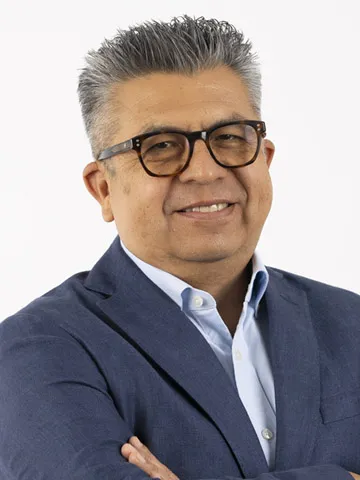
Carlos Rivadeneyra Olcese
Acting Dean
T: +511 4376767 ext. 35500
crivaden@ulima.edu.pe

Néstor Martos Castañeda
Academic Secretary
T: +511 4376767 ext. 35550
Nmartos@ulima.edu.pe
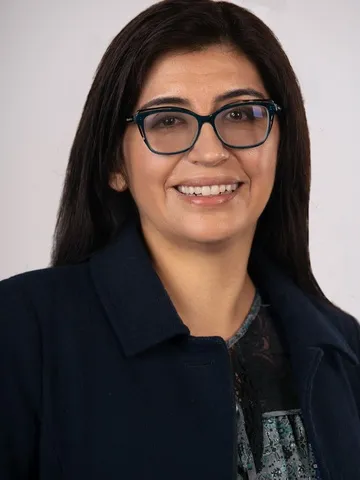
Ximena Barra Cortés
Academic Degrees and Professional Titles Coordinator
T: +511 4376767 ext. 35520
xbarra@ulima.edu.pe
Faculty
At Universidad de Lima, our faculty members bring together academic excellence, professional expertise, and a passion for teaching. They inspire students to think critically, conduct meaningful research, and lead with integrity, creating a lasting impact on their professions and communities.
COMUNICA FACTORY
WORK REPOSITORY
Compilation of the most outstanding works from our students. This repository's goal is to boost the research spirit and disseminate contributions produced by Ulima community members.
STUDY CIRCLES
AUDIOVISUAL ARCHIVE
The Audiovisual Archive supports the academic and research activities of the School of Communication. It organizes, acquires, and promotes audiovisual resources for academic use, including films, documentaries, reports, television programs, advertisements, music, and sound effects, available in both physical and digital formats.
Additionally, it is open to all Universidad de Lima schools, the Consortium of Universities, and other researchers upon justified request. Materials can be accessed in the viewing modules located in Building E1 or via video streaming in classrooms and auditoriums across the University.
GENERAL INFORMATION
Authorities
Ana Shimabukuro Shimabuko
Coordinator
Phone: +511 4376767 ext. 35539
ashimabu@ulima.edu.pe
Miguel Mejía Salas
Edition and Informatics
Phone: +511 4376767 ext. 35537
mmejias@ulima.edu.pe
User Support
Phone: +511 4376767 ext. 35542
archivoaudiovisual@ulima.edu.pe
Location
Building E1, Floor 4
Office Hours
- Regular Term: Monday–Friday, 9:00 a.m.–8:55 p.m.; Saturday, 9:00 a.m.–12:55 p.m.
- Summer Term: Monday–Thursday, 9:00 a.m.–6:55 p.m.; Friday, 8:00 a.m.–12:55 p.m.
Important: Viewing modules will remain closed during vacation periods.
REGULATIONS
About Physical Materials
- No take-home of audiovisual materials.
- No copies allowed from any material.
- Students from the School of Communication can request internal borrowing of physical materials for editing, audio booth or recording in studio, provided they are enrolled in the current academic term. They must return materials once they finished. Otherwise, they will be suspended from getting any service from the Audiovisual Archive.
About Viewing Modules
- Maintain appropriate behavior and respect other users. Avoid loud noise.
- No food or drinks allowed.


Activities
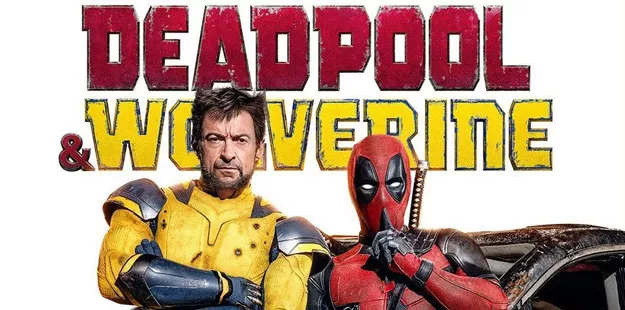
Activities that promote film production and critical reflection among Ulima students through roundtables, meetings with filmmakers, and screenings of short films and films by Ulima graduates, as well as the Corto de Boleto contest, which challenges participants to create, shoot, and edit a short film in just two days.

Exclusive contest for our Ulima community. Students must form teams of five to create, shoot, and edit a short film within two days, based on three surprise elements that guide the storytelling. Once submitted to the organizing team, the films are evaluated by a jury and later screened and awarded during the closing ceremony.
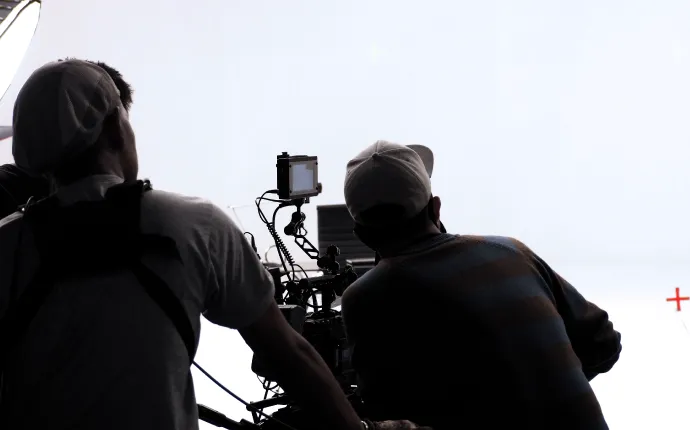
Since 2007, the School has held the annual Communication Research Competition to encourage research initiatives among students. Its main goal is to foster student research, promote transdisciplinary exchange between professors and students, and enhance the visibility of research through an e-book featuring the winning projects.
Check the winning projects from our annual editions here.
Contact
eventoscomunicacion@ulima.edu.pe

Discover the world of podcasting at an event that brings together leading professionals and emerging talent in digital audio. Learn about the latest trends, exchange ideas, and explore new ways of creating content through talks, workshops, live podcasts, and the National University Podcast Competition awards ceremony.
Designed especially for communication students and content creators, Podcast Day is a free, in-person event that celebrates digital audio, encourages new talent, and creates opportunities to learn, connect, and innovate.

Connect with academics, professionals, and fellow students at Puentes para la Comunicación, a space for exploring the challenges and opportunities shaping communication today.
Over two days, national and international experts share perspectives on key communication issues across different areas of the field. Through talks, panels, and workshops, participants can exchange ideas and experiences, discuss current challenges, and develop innovative strategies to address the changes transforming communication in the digital age.

LIFELONG LEARNING
Keep your competencies, skills and knowledge updated throughout your entire professional life.
GRADUATE STUDIES
Our master's and doctoral programs focus on training interdisciplinary professionals who promote innovation, entrepreneurship and research.
EXECUTIVE EDUCATION
The Executive Education Office (DEC) at Universidad de Lima offers workshops, courses, and specialization programs to train executives, professionals, and business leaders in key management areas.
STUDY ABROAD
If you wish to study abroad, this is the right place to find all relevant information about scholarships and academic opportunities.
LANGUAGES
The Ulima Language Center equips students with the skills and knowledge needed to communicate effectively in English across diverse contexts. Explore some of our programs below:


AGENDA
We have no upcoming events for this area.
PODCAST
Ventana Indiscreta
Join José Carlos Cabrejo and expert guests as they dive into films across generations, unpacking the stories, styles, and symbols that define cinema.
The views expressed herein are personal and do not reflect the official position of Universidad de Lima.