
Economics
ABOUT
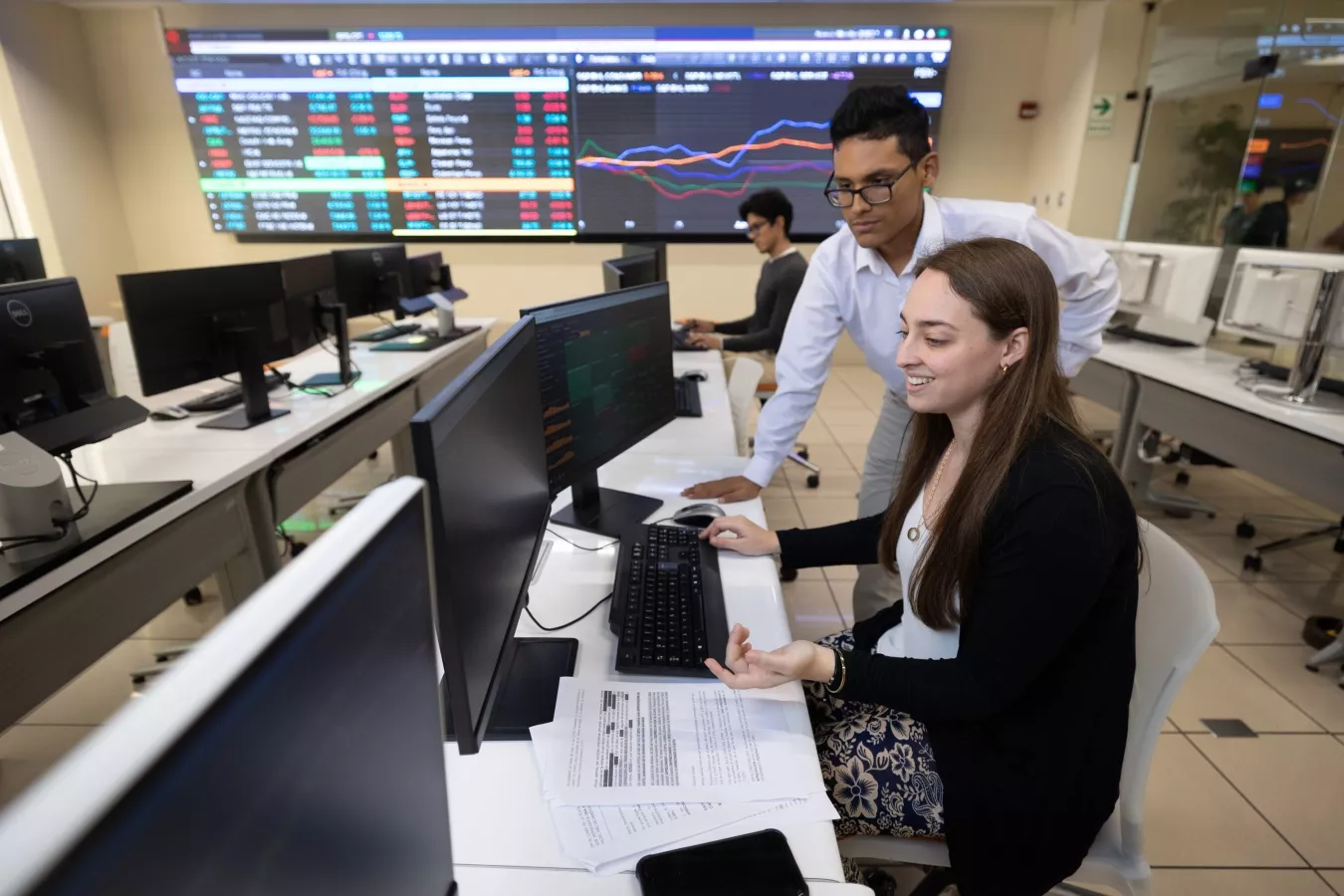
The Economics Program trains professionals to perform effectively in private and public institutions. In the private sector, they evaluate external conditions that impact organizations and contribute to resource optimization and problem-solving in real and financial areas. In the public sector, they formulate feasible responses to challenges connected to the country's economic development.
Professionals with a solid and comprehensive foundation in macroeconomics and microeconomics, proficient in econometric modeling, data science, and financial statement analysis. These competencies enable them to make ethically sound decisions in public and private institutions at national and international levels. They demonstrate visionary leadership, excel in collaborative settings, and approach challenges with systemic thinking and a commitment to continuous learning.
General Competencies
- Systems Thinking: Integrates the components of complex situations to understand how they work, anticipate consequences, and propose sustainable actions.
- Problem Solving: Selects and analyzes alternatives to develop strategic solutions aligned with identified needs.
- Effective Communication: Organizes and expresses ideas clearly to create messages that connect with audiences in diverse contexts.
- Collaborative Work: Promotes collaboration through active participation, respectful dialogue, and shared decision-making to strengthen collective commitment.
- Research: Identifies relevant problems and selects appropriate methods to generate knowledge and contribute to their discipline.
- Self-Directed Learning: Sets goals and strategies, evaluates their learning process, and uses resources efficiently to improve their performance.
- Critical Thinking: Uses evidence and logical criteria to develop well-founded arguments and make critical judgments about situations, positions, and information sources.
- Ethical Conduct: Acts in accordance with their values, principles, and duties to fulfill their professional and civic responsibilities.
Specific Competencies
- Economic Causality: Models causal relationships between economic and financial variables—at both national and global levels—by applying economic theory, quantitative methods, and research to address problems in complex and uncertain environments.
- Global Economic Analysis: Analyzes national and international economic phenomena using quantitative and qualitative tools to assess macroeconomic and microeconomic impacts.
- Project Evaluation: Evaluates public and private projects that contribute to the country's socioeconomic development by designing profitability and risk indicators to determine their impact on society.
- Economic Management: Assesses the effects of monetary and fiscal policies on society and key productive sectors, applying sustainability principles to analyze their role in maintaining economic stability.
Mission
Educate highly skilled economists with integrity and a global outlook through an innovative, forward-thinking educational model. Prepare them to transform organizations positively and contribute to social well-being.
Vision
Be recognized as one of Peru’s leading Economics programs and as a global benchmark in the teaching and research of economics. Excel in preparing future leaders for public and private-sector management while fostering innovative economic practices that advance research quality and sustainability standards.
- Provide future economists with a solid, comprehensive education in economics that incorporates diverse schools of thought and develops proficiency in econometric modeling, data science, and finance.
- Develop the ability to model causal structures from a holistic, systemic perspective while strengthening leadership, teamwork, and autonomous learning skills.
CURRICULUM
The Economics Program comprises 191 mandatory credits and 18 elective credits. This structure provides students with comprehensive knowledge across related areas and the opportunity to pursue one or more specialist certifications.
ACADEMIC DEGREES AND PROFESSIONAL TITLES
Students who have completed their studies in Economics are eligible to apply for the bachelor's degree. Once obtained, they may then apply for the professional title.
To view the General Regulations on Academic Degrees and Professional Titles, click here.
Video Tutorial: What's Next After Graduation?
Check out the graduation schedule for the Class of 2025-1 here.
At the end of the academic term, students who have successfully completed all required courses and earned the necessary credits outlined in their program curriculum will automatically obtain the graduate status. They will then receive an email from DUSAR.
For more information, click here.
Video Tutorial: How to Request a Graduate Certificate?
To earn your Bachelor's degree, you must first graduate from the Economics Program.
For more information, click on the options below:
The professional title in Economics will be awarded upon the successful completion of one of the degree pathways corresponding to either the thesis or professional proficiency project modalities, as outlined in the Supplementary Guidelines for Obtaining the Bachelor's Degree and Professional Title.
To apply, you must first earn the Bachelor's degree in Economics from Universidad de Lima and meet the requirements.
For more information about the research areas, click here.
Option A: Thesis
Submodalities:
- A1: Thesis in research article format developed from authorized courses (for recent graduates). For more information, click here.
- A2: Thesis in research article format developed from new research.
- A3: Research article accepted or published in an indexed academic journal or conference (for recent graduates). For more information, click here.
Option B: Professional Proficiency Project
Submodalities:
- B1: Professional project
- B2: Case presentation
- B3: Report on qualified professional experience
For more information, click here.
Professional Degree Process for the Economics Program — B2 Submodality: Professional Proficiency Project Through Case Presentation
Info Sessions
- Tuesday, March 17, 2026, at 8:00 p.m.
- Tuesday, March 31, 2026, at 8:00 p.m.
- Tuesday, April 14, 2026, at 8:00 p.m.
This call is intended for graduates with a bachelor’s degree in Economics from Universidad de Lima who have at least two years of professional experience related to their field of study.
For more information, click here.
Once the corresponding professional tittle submodality is approved, the following documents—properly filled out and signed—must be submitted to the Academic Degrees and Professional Titles Office:
- Authorization for the publication of research papers in the Ulima Repository to obtain an academic degree or professional title.
- Affidavit of originality.
For more information on how to request your professional title diploma, click here.
Video Tutorial: Process for Obtaining Your Professional Title Diploma
The Economics Program offers 5 Specialist Certifications. Click on each to explore the detailed curriculum:
- Economic Policy
- Applied Data Science for Economics
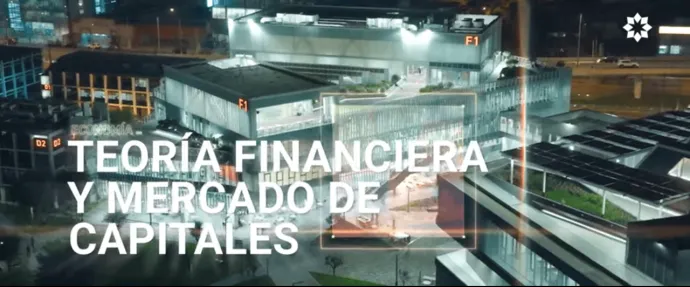
- Financial Theory and Stock Markets
- Economic and Financial Research
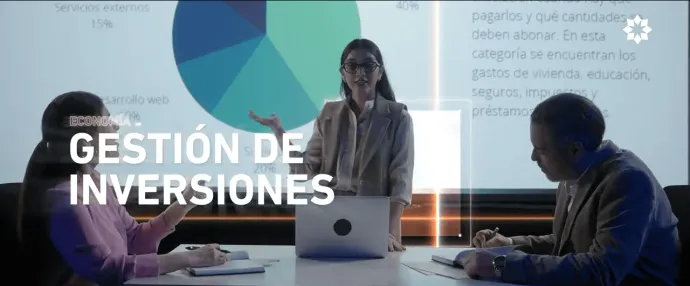
- Investment Management
Requirements:
- Bachelor's degree.
- Weighted average of at least 13.00 in the required courses.
- Successful completion of all Specialist Certification courses within two attempts.
Economics graduates who meet the requirements for a Specialist Certification can request it through Mi Ulima portal.
For more information, click here.
School of Economics
Academic Degrees and Professional Titles Office
Building E3, Floor 2 (former Library)
Business Hours: Monday–Friday, 8:00 a.m.–2:00 p.m. and 3:00–6:00 p.m.
Phone: +51 1 437 6767 ext. 35361
SPECIALIST CERTIFICATIONS
This Specialist Certification builds advanced public administration expertise and prepares students to work in the public sector.
This Specialist Certification develops students’ expertise in information technology and its application to problem-solving across sectors such as banking.
This Specialist Certification equips students with skills in financial management and monetary resource management, preparing them for roles as financial managers or investment advisors.
This Specialist Certification develops students’ skills in information analysis, modeling, and problem-solving through applied research.

This Specialist Certification develops students’ expertise in portfolio management and provides knowledge aligned with the Chartered Financial Analyst (CFA) curriculum.
LABOR FIELD
Capable of interpreting the effects of environmental factors in dynamic contexts to optimize an organization’s economic resources and address short- and medium-term financial challenges.
Capable of devising viable solutions that strengthen the country's development.



AGREEMENTS





CONSORTIUM OF UNIVERSITIES
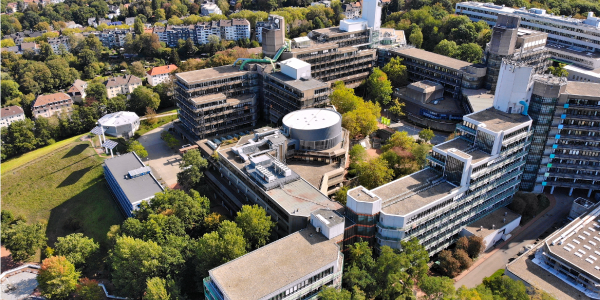
It is a nonprofit civil association comprising Pontificia Universidad Católica del Perú, Universidad del Pacífico, Universidad Peruana Cayetano Heredia, and Universidad de Lima. Through this partnership, students from these four institutions can access academic and university services, use facilities, transfer course credits, and pay the same per-credit tuition rate across the Consortium.
Optional Second International Bachelor's Degree
Universidad de Lima offers students the opportunity to gain experience in global environments, expand their networks, and pursue an international academic experience through its optional second international bachelor's degree programs.
The University of Queensland
Universidad de Lima has partnered with The University of Queensland (UQ) to offer students from the School of Business the opportunity to study at this renowned Australian institution and earn a Bachelor of Business Management with a major in Marketing, International Business, or other fields.
Information: Antonio Esquivel Delfín (aesquive@ulima.edu.pe)

École Supérieure De Commerce – Clermont
Students from the School of Business at Universidad de Lima are eligible to study in the École Supérieure de Commerce – Groupe ESC Clermont in France for an entire year and obtain the Bachelor in International Management.
Information: Manuela Linares (malinare@ulima.edu.pe)

University of London
Through its agreement with the University of London (UoL), internationally recognized for its high academic standards, Universidad de Lima offers students the opportunity to earn a second international bachelor’s degree—the Bachelor of Science in Business Administration—without leaving Peru. The program is open to students from all undergraduate programs at Universidad de Lima.
Information: uol@ulima.edu.pe

PUBLICATIONS
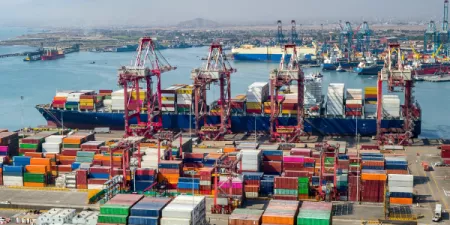
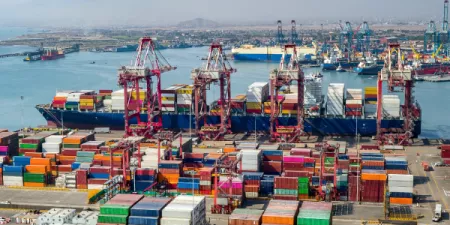
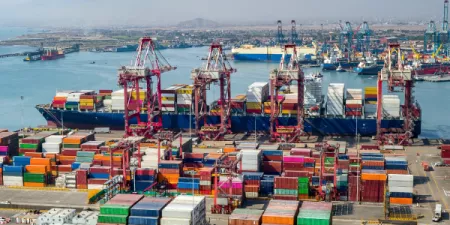
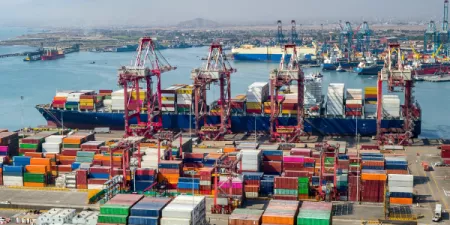
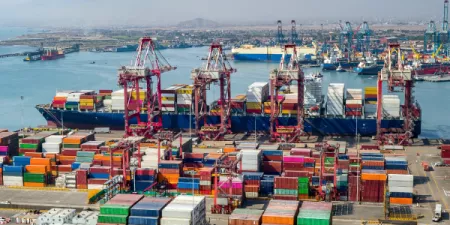
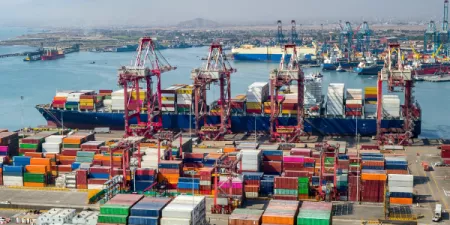
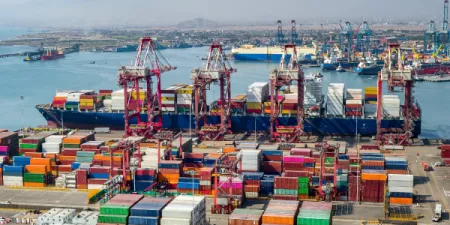
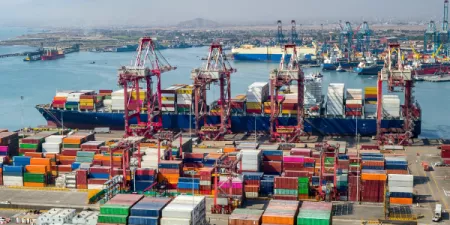
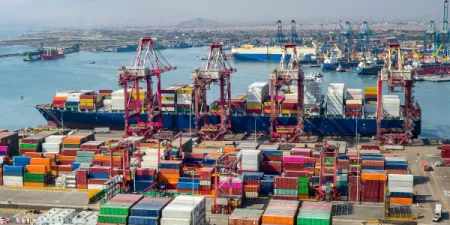
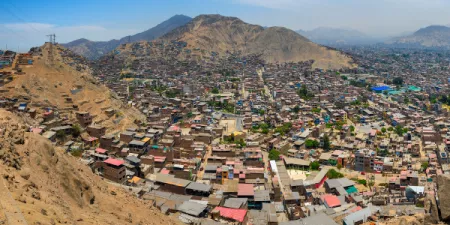
The Economic, Financial and Social Observatory of Universidad de Lima was created to analyze Peru's economic context and global economic conditions. Its work includes the preparation of the Macroeconomic and Financial Report (monthly), the Quarterly Socioeconomic and Well-being Report, the Quarterly Financial System Report, and the Quarterly Microfinance System Report.
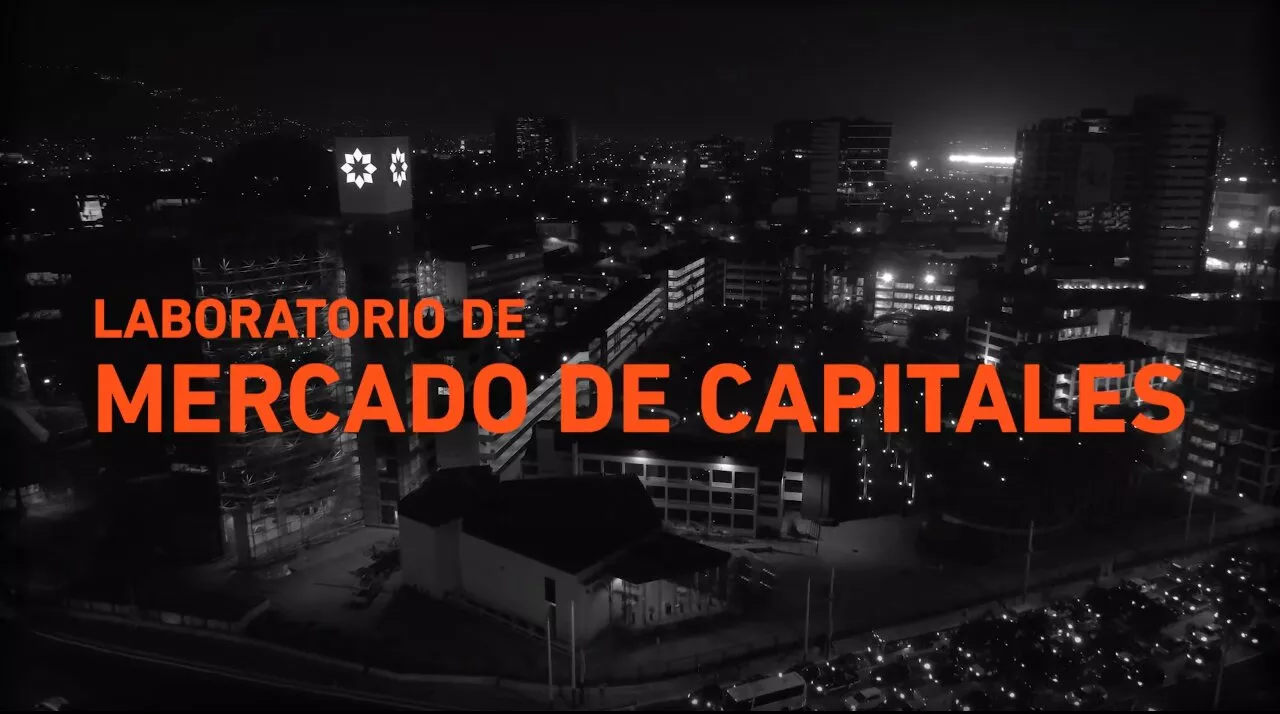
The Stock Market Laboratory issues this daily report on stock market activity.
A publication that compiles a synthesis of the most relevant news and events from global financial and stock markets over the past week.
For more information, click here.
These Working Papers disseminate ongoing research by faculty members of the Economics Program to encourage scholarly exchange across the academic community. The goal is to gather peer input that contributes to future publication in refereed journals or specialized collections.
Submission Guidelines
For more information, please contact the series editor, Rosa Luz Durán Fernández (rduran@ulima.edu.pe).
Institutional Repository
In the Ulima repository, you can access relevant documents in PDF format, review their metadata, and obtain citation guidelines.
For more information, click here.
Free Availability
These working papers have many issues. For more information, click on each title.
No. 1: Indicador de competitividad regional
Author: Chirinos Cabrejos, Raymundo
Year: 2017
Keywords: competitiveness, regional analysis, regional statistics
PDF: Indicador de competitividad regional
For more information, click here.
No. 2: Modelo instrumental para medir la sostenibilidad en la gestión de compañías mineras metálicas formales en el Perú
Author: Schwarz Díaz, Max
Year: 2017
Keyword: sustainability, mining conflicts, processes, corporate control, productivity
PDF: Modelo instrumental para medir la sostenibilidad en la gestión de compañías mineras metálicas formales en el Perú
For more information, click here.
No. 3: Costos sociales de la victimización en América Latina. Percepción de inseguridad, capital social y percepción de la democracia
Author: Hernández Breña, Wilson Virgilio
Year: 2017
Keywords: share capital, trust, costs, democracy, victimization
PDF: Costos sociales de la victimización en América Latina: percepción de inseguridad, capital social y percepción de la democracia
For more information, click here.
No. 4: Impactos sociales del espárrago en el Perú
Author: Terán Velazco, César
Year: 2017
Keywords: asparagus, corporate social responsibility, agricultural companies, sustainable development
PDF: Impactos sociales del espárrago en el Perú
For more information, click here.
No. 5: Panorama fiscal y relaciones de financiamiento de los Gobiernos subnacionales en el Perú, 2009-2015
Author: Samanamud Valderrama, Carlos Enrique
Year: 2018
Keywords: fiscal decentralization, intergovernmental funding, fiscal transfers, fiscal autonomy, public budget
PDF: Panorama fiscal y relaciones de financiamiento de los Gobiernos subnacionales en el Perú, 2009-2015
For more information, click here.
No. 6: Hacia una macroeconomía del comportamiento en el Perú
Author: Chirinos Cabrejos, Raymundo
Year: 2018
Keywords: behavioral economics, macroeconomics, animal spirits, psychology
PDF: Hacia una macroeconomía del comportamiento en el Perú
For more information, click here.
No. 7: Giving Money to the Inca. Experiments and Theory on Social Norms and Tax Compliance in Peru
Authors: López Pérez, Raúl; Ramírez Zamudio, Aldo Fabricio
Year: 2019
Keywords: corruption, evasion, peer effects, social norms, tax compliance, tax morale
PDF: Giving Money to the Inca: Experiments and Theory on Social Norms and Tax Compliance in Peru
For more information, click here.
No. 8: De México al Asia. Siguiendo la cadena de valor internacional de los recursos naturales
Author: Landa Arroyo, Yuri Jesús
Year: 2019
Keywords: industrialization, natural resources, foreign trade, network theory
PDF: De México al Asia. Siguiendo la cadena de valor internacional de los recursos naturales
For more information, click here.
No. 9: ¿Más educadas, más empoderadas? Complementariedad entre escolaridad y empleo en la probabilidad de violencia doméstica contra las mujeres en el Perú
Author: Durán Fernández, Rosa Luz
Year: 2019
Keywords: interpersonal domestic violence, economic empowerment, women, Peru
PDF: ¿Más educadas, más empoderadas? Complementariedad entre escolaridad y empleo en la probabilidad de violencia doméstica contra las mujeres en el Perú
For more information, click here.
No. 10: Una revisión de la disuasión fiscal y la moral fiscal
Authors: Ramírez Zamudio, Aldo Fabricio; López-Pérez, Raúl; Abanto Aranda, Deyvi Franco
Year: 2021
Keywords: taxation, deterrence, social norms, tax morale
PDF: Una revisión de la disuasión fiscal y la moral fiscal
For more information, click here.
No. 11: Análisis VAR para evaluar la maldición de los recursos naturales en la economía peruana
Authors: Nolazco Cama, Jose Luis; Angulo Parra, Juan Pablo; Chamochumbi Yanac, Ariana; Marino Garayac, Daniela; Patilongo Alarcón, Iván; Rodríguez Ramírez, Joaquín; Yen Cerna, Karina
Year: 2022
Keywords: natural resourcse, economic growth, mining income, VAR, Dutch disease
PDF: Análisis VAR para evaluar la maldición de los recursos naturales en la economía peruana
For more information, click here.
No. 12: Efecto en los ingresos de la educación de calidad universitaria. Evidencia para Perú
Authors: Sánchez Dávila, Elmer; Obeso Manrique, Jordán Alan; Fernández Morales, Paolo César
Year: 2022
Keywords: higher education, university quality, Mincer equation
PDF: Efecto en los ingresos de la educación de calidad universitaria. Evidencia para Perú
For more information, click here.
No. 13: Los efectos de las pensiones sociales sobre la mortalidad entre los ancianos en extrema pobreza
Authors: Valderrama, José A.; Olivera, Javier
Year: 2023
Keywords: non-contributory pensions, mortality, regression discontinuity, old-age poverty
PDF: Los efectos de las pensiones sociales sobre la mortalidad entre los ancianos en extrema pobreza
For more information, click here.
No. 14: Los determinantes de la corrupción: evidencia desde un modelo logit
Author: Urbina Padilla, Dante Abelardo
Year: 2023
Keywords: corruption, institutions, development
PDF: Los determinantes de la corrupción: evidencia desde un modelo 'logit'
For more information, click here.
No. 15: Regressivity in public pension systems: the case of Peru
Author: Valderrama Torres, José Artemio
Year: 2024
Keywords: pay-as-you-go, pension progressivity, pension wealth, mortality
PDF: Regressivity in public pension systems: the case of Peru
For more information, click here.
No. 16: Análisis de la efectividad del régimen de metas de inflación: caso Perú, Chile y Colombia
Authors: Plaza Vidaurre, Marco Antonio; Mamani Alanya, Yasmith Georgina; Ortiz Carrillo, Jhopser Arturo
Year: 2024
Keywords: inflation (finance), monetary policy, Peru, Chile, Ecuador
PDF: Análisis de la efectividad del régimen de metas de inflación: caso Perú, Chile y Colombia
For more information, click here.
No. 17: The Effect of Mutualization and Collateralization on Credit Default Swaps Premium
Author: Rojas, Freddy
Year: 2025
Keywords: price discovery, financial economics, clearing, credit default swaps, collateralization, mutualization, OTC, risk premium
PDF: The Effect of Mutualization and Collateralization on Credit Default Swaps Premium
For more information, click here.
Open-access academic publication that disseminates research results—theoretical and empirical—in the economics and business sciences area.
ACTIVITIES
ACERCÁNDONOS A LA PUBLICACIÓN SERIES
A space dedicated to presenting research conducted by faculty of the Economics Program at Universidad de Lima, whether already published or currently under review in indexed journals. It aims to foster collaboration among professors with common interests, support the creation of multidisciplinary research groups, and involve students into scientific project development.
Information
José Valderrama Torres
jvalder@ulima.edu.pe

ULIMA ECONOMISTS: SHARING EXPERIENCES AND INSPIRING PASSION
In this space, some of the most outstanding graduates of the Economics Program share their professional experiences and explain how their education at Universidad de Lima supported their path to success. Their testimonies allow attendees to learn about the steps and decisions that shaped their careers and led them to their current positions.
Information
Rosa Quispe Llamoca
roquispe@ulima.edu.pe

INTERNATIONAL CONFERENCE ON ECONOMICS AND FINANCE
The International Conference on Economics and Finance of Universidad de Lima is a key academic event that brings together experts, researchers, and students to discuss economic advances and ongoing challenges. With a strong research focus, the Conference promotes the exchange of ideas and collaboration among national and international universities. Throughout the event, faculty and student papers are presented, providing a platform to share innovative studies and strengthen academic networks.
Information
cief@ulima.edu.pe

LIFELONG LEARNING
Keep your competencies, skills and knowledge updated throughout your entire professional life.
GRADUATE STUDIES
Our master's and doctoral programs focus on training interdisciplinary professionals who promote innovation, entrepreneurship and research.
EXECUTIVE EDUCATION
The Executive Education Office (DEC) at Universidad de Lima offers workshops, courses, and specialization programs to train executives, professionals, and business leaders in key areas of management.
STUDY ABROAD
If you wish to study abroad, this is the right place to find all relevant information about scholarships and academic opportunities.
LANGUAGES
The Ulima Language Center equips students with the skills and knowledge needed to communicate effectively in English across diverse contexts. Below are some of our programs:
LABORATORIES
Directory
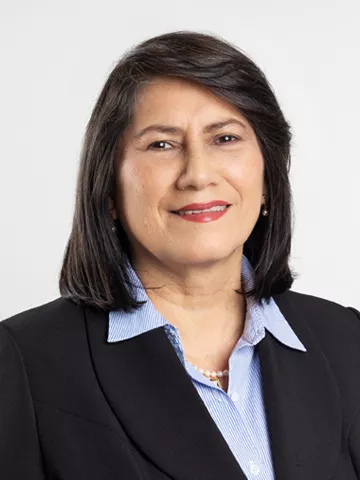
Nora Moreno Moreno
Dean
T: +511 4376767, ext. 35300
nmoreno@ulima.edu.pe

Sergio Edmundo Manuel de la Piedra Vindrola
Academic Secretary
T: +511 4376767, ext. 35350
sdelapie@ulima.edu.pe
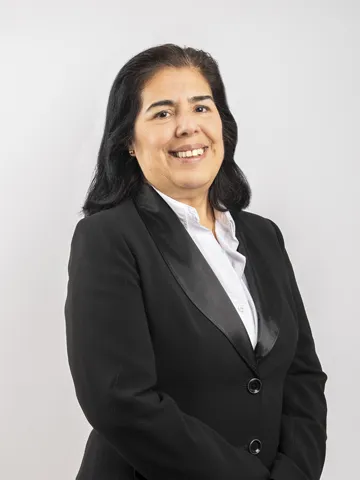
Rocío del Pilar Córdova Benavides
Academic Degrees and Professional Titles Coordinator
T: +511 4376767, ext. 35360
rcordova@ulima.edu.pe

Alan Burns O'hara
Internship and Employment Coordinator
practicaseco@ulima.edu.pe
WORK REPOSITORY
Compilation of the most outstanding works from our students. This repository's goal is to boost the research spirit and disseminate contributions produced by Ulima community members.
Faculty
At Universidad de Lima, our faculty members bring together academic excellence, professional expertise, and a passion for teaching. They inspire students to think critically, conduct meaningful research, and lead with integrity, creating a lasting impact on their professions and communities.
STUDY CIRCLES
NEWS AND INTERVIEWS


AGENDA
We have no upcoming events for this area.
REPORTS FROM THE ECONOMIC, FINANCIAL AND SOCIAL OBSERVATORY




Podcast
Prof, Quick Question
A podcast that brings clarity to your academic path—Ulima professors answer your questions in insightful interviews.
The views expressed herein are personal and do not reflect the official position of Universidad de Lima.