
Environmental Engineering
ABOUT
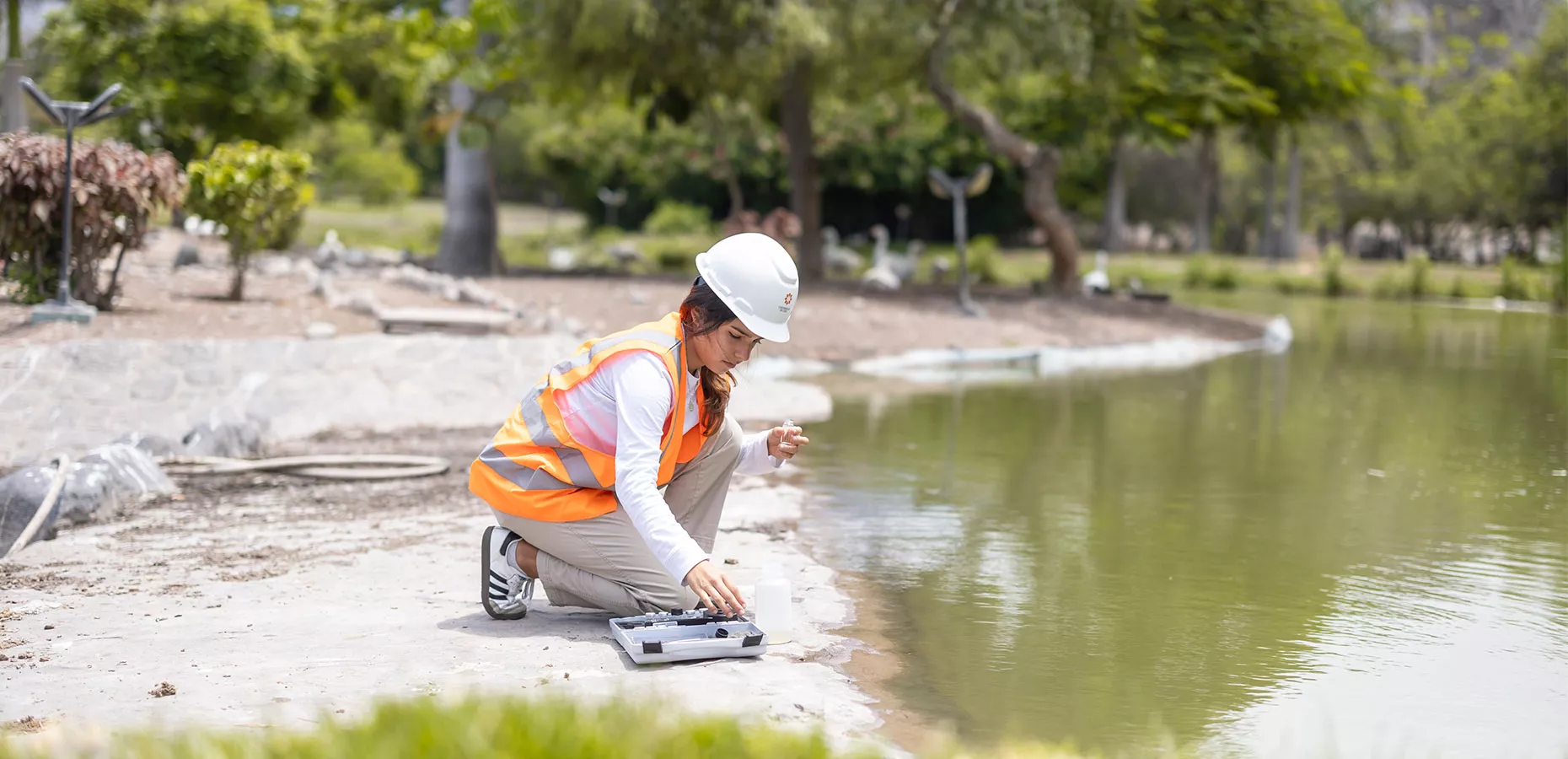
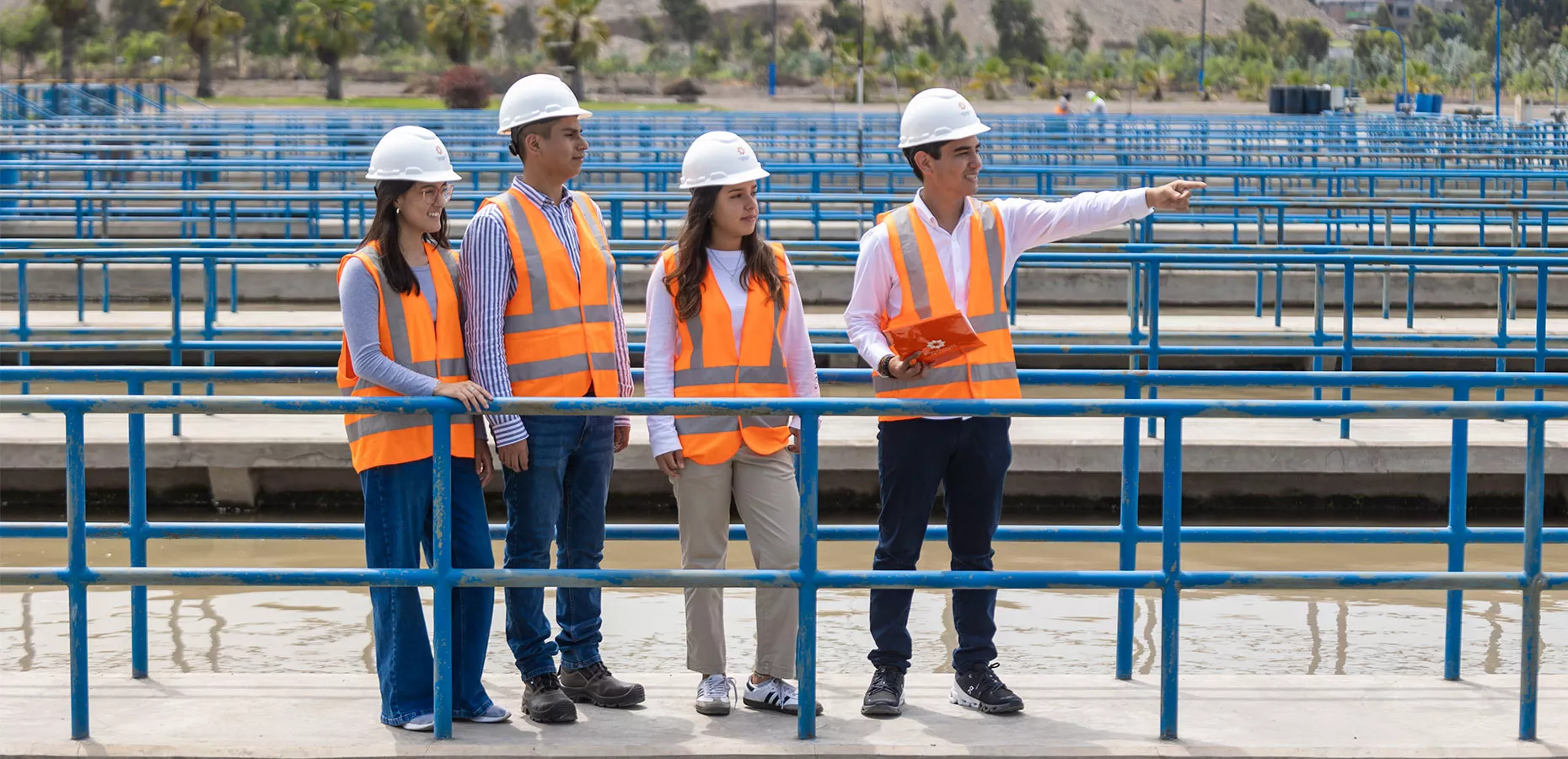
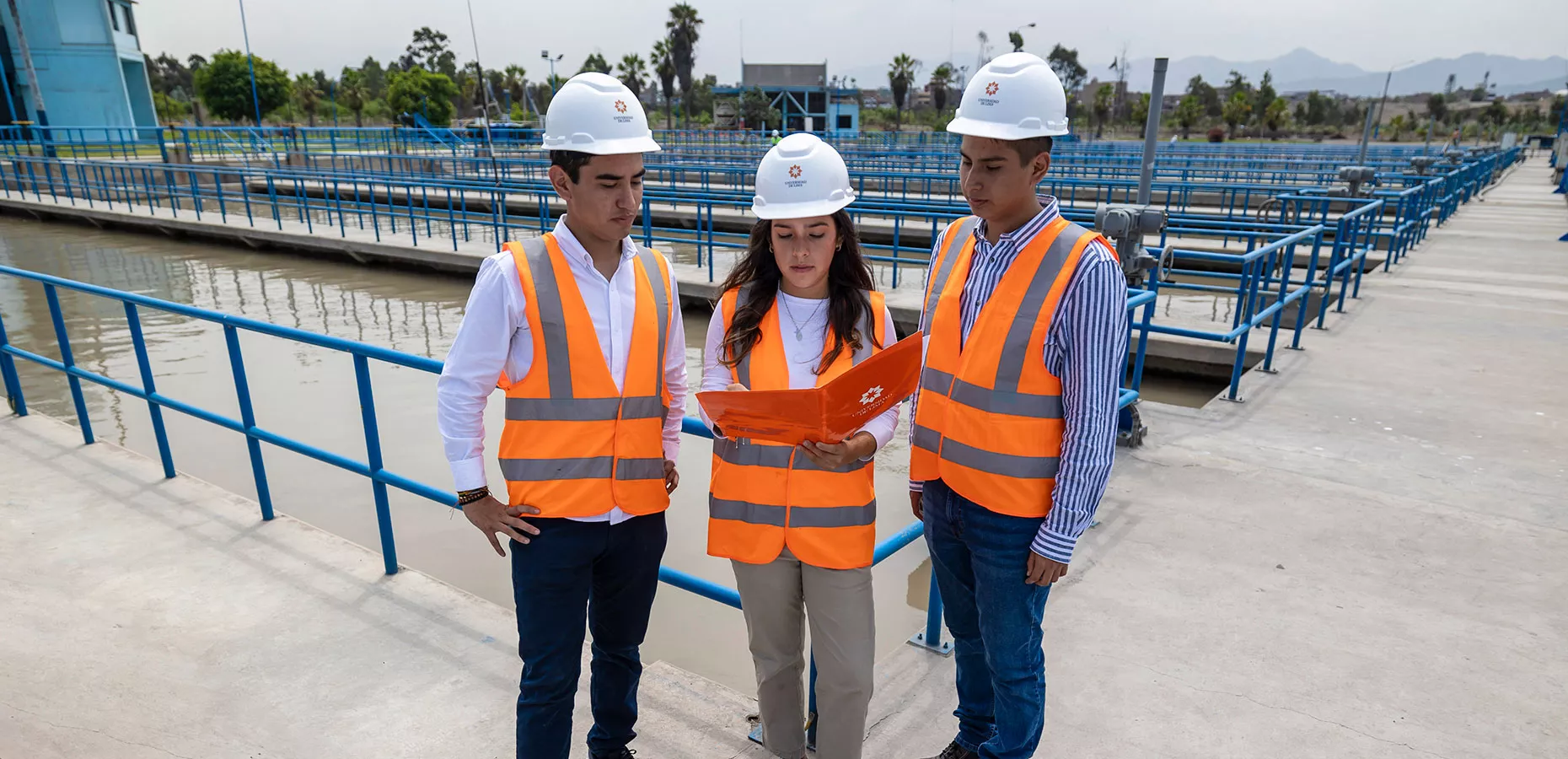
The Environmental Engineering Program trains leaders capable of finding a balance between development and sustainability. The comprehensive approach combines basic sciences, applied engineering and environmental management, allowing professionals to face global challenges such as climate change, circular economy, and ecosystem conservation. Students build skills in advanced technology, environmental legislation and sustainable corporate strategies, working in key sectors to foster competitiveness and environmental responsibility. Supported by modern laboratories and real projects, this program provides students with a practical and transformative education that empowers them to lead efforts toward a more sustainable planet.
Professionals capable of leading cutting-edge transformation in environmental culture. The theoretical and practical training allows them to identify interactions between productive activities and the environment, in order to devise robust and innovative solutions to design and implement engineering systems that secure the environmental sustainability of processes.
Mission
We train environmental engineers grounded in science and technology, combining technical expertise with management skills and a strong commitment to sustainability. Our graduates have the competencies to create innovative strategies and solutions that mitigate environmental impacts, strengthen corporate sustainability, and support healthy communities and ecosystems.
Vision
To stand out in Latin America as a leading program in environmental engineering. Train well-rounded professionals capable of driving sustainable transformations in industries and communities while ensuring harmony between economic growth and environmental protection.
CURRICULUM
This is a comprehensive and well-balanced curriculum that integrates basic sciences, advanced technologies, and social perspectives. It includes courses on environmental and corporate management that ensure the thorough preparation of professionals capable of addressing challenges such as resource conservation, sustainable solution design, and green technology implementation. This innovative approach prepares graduates to lead projects that foster sustainable development and environmental protection.
The Environmental Engineering Program comprises 205 credits (181 mandatory and 24 elective) distributed across 10 academic terms.
SPECIALIST CERTIFICATIONS
CONSERVATION AND ENVIRONMENTAL HEALTH
It focuses on ecosystem conservation and the connection between the environment and human health. It prepares professionals capable of assessing and mitigating environmental impacts that affect quality of life through restoration and sustainable management strategies.
Featured subjects
- Ecosystem Services
- Ecology
- Indoor Air Quality
- Risk Assessment and Hazardous Chemical Management
- Contaminated Site Management
- Environmental Deterioration and Human Health
ENVIRONMENTAL MANAGEMENT
It prepares students to develop sustainable corporate strategies and manage environmental conflicts. Graduates lead circular economy projects, risk prevention initiatives, and negotiation processes while promoting responsible practices within companies and institutions.
Featured subjects
- Circular Economy
- Life Cycle Analysis
- Logistics with Green and Sustainable Supply Chain
- Prevention and Negotiation of Environmental Conflicts
- Corporate Strategies for Sustainability
- Environmental Risk Management
TECHNOLOGIES FOR ENVIRONMENTAL SUSTAINABILITY
It focuses on advanced technologies that address environmental challenges. This Specialist Certification prepares experts in the design and application of technological tools that improve sustainability. It builds competencies in environmental biotechnology, IoT applications for environmental purposes, and bioremediation.
Featured subjects
- Solar Photovoltaic Technology
- Environmental Biotechnology
- Design and Prototype
- IoT Applications for Environmental Sustainability
- Technologies for Bioremediation
- Environmental Deterioration and Human Health
ENVIRONMENTAL IMPACT ASSESSMENT AND RISK MANAGEMENT
It prepares students to oversee environmental risks and conduct impact assessment for diverse projects. This Specialist Certification equips future professionals to identify, analyze and mitigate risks while meeting environmental standards and promoting responsible practices.
Featured subjects
- Risk Assessment and Hazardous Chemical Management
- Contaminated Site Management
- Indoor Air Quality
- Environmental Risk Management
- Environmental Deterioration and Human Health
- Prevention and Negotiation of Environmental Conflicts
Labor Field
Design and implement environmental management plans for public and private companies, complying with regulations, mitigating environmental impacts, and promoting sustainable practices. They hold positions as environmental managers, auditors or consultants in sustainability.
Carry out environmental impact assessments for mining, energy, infrastructure and urban development projects. Identify and mitigate risks, complying with regulations and sustainability of operations.
Develop and implement renewable energy solutions such as solar, wind or biomass, as well as advanced technologies of bioremediation.
Lead projects for ecosystem restoration, soil recovery, water management, and biodiversity conservation. Engage in initiatives from government institutions, NGOs, and sustainable companies.
Advise companies and institutions for environmental strategies and compliance with international regulations.
Monitor the quality of water, air and soil in infrastructure projects, as well as the development and implementation of smart systems for environmental monitoring. Ensure the compliance with environmental standards through data analysis and implementation of corrective actions.
Optimize industrial processes through the design of clean production systems, proper waste management, and adoption of international standards such as ISO 14001 to reduce environmental impacts.
Formulate public policies, manage sustainable development projects in ministries, municipalities, and other government agencies. Promote environmental awareness and education programs in communities.
Teach in universities and institutions, in order to train new generations of sustainability professionals. Lead research on new technologies, methodologies, and strategies to mitigate environmental impacts and natural resources conservation.
Design and implement waste recovery systems, chemical recycling, and circular economy strategies, reducing environmental impacts and improving the use of natural resources.
Create and hone technological tools for environmental monitoring, analysis and control, including the integration of AI, IoT, and real-time data analysis.
PARTIAL CERTIFICATIONS
Directory

Nadia Rodríguez Rodríguez
Dean
T: +511 4376767 ext. 34400
nrodrigu@ulima.edu.pe
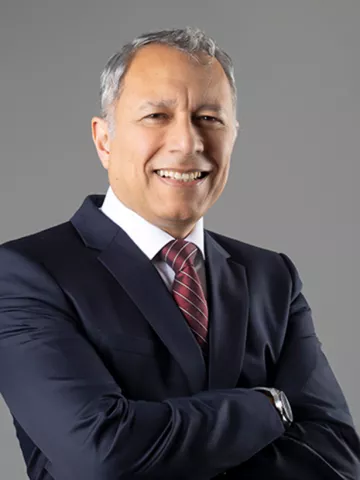
Javier Quino Favero
Program Director
T: +511 4376767 ext. 34405
jquinof@ulima.edu.pe


