"Artificial intelligence can help us learn more effectively, but its true value depends on our ability to use it without losing sight of what makes learning possible: understanding, questioning, verifying information, and thinking for ourselves," said Rector Patricia Stuart.
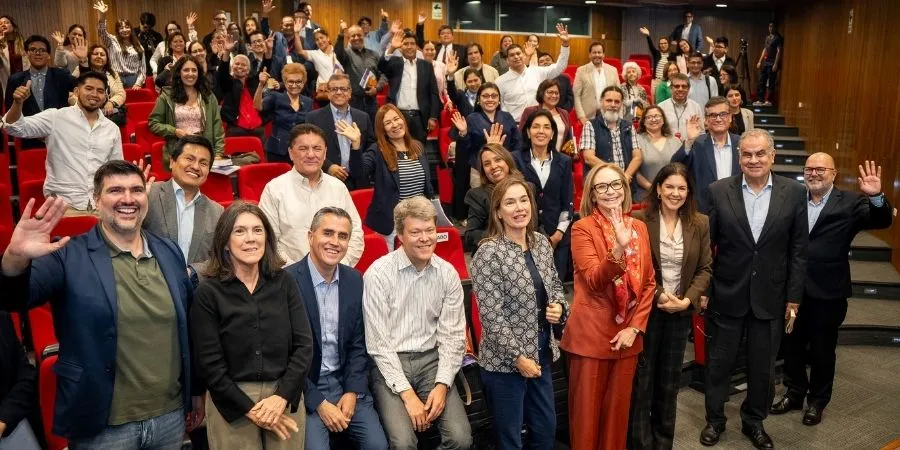
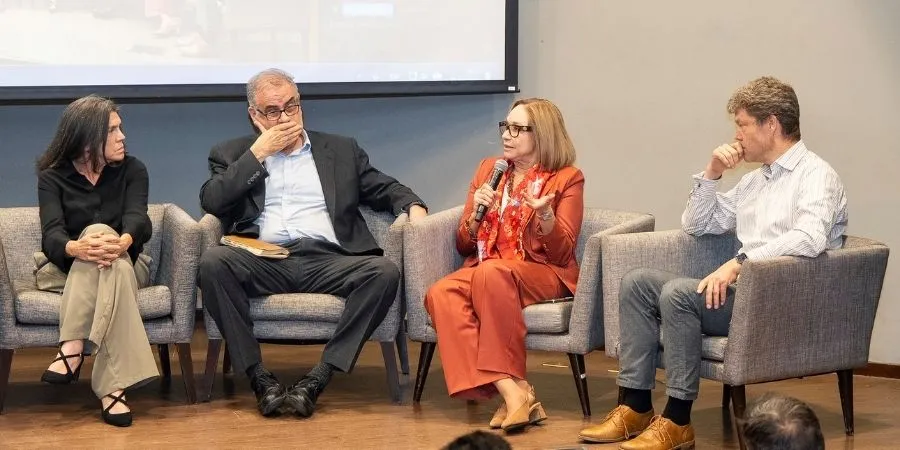
Stuart addressed these issues as a panelist at "The Future of Education in the Age of AI," organized by EvidencIA, an AI and learning network that brings together researchers, government ministries, universities, and EdTech companies from across Latin America.
"Our discussion at the EvidencIA panel focused on a particularly important challenge: making educational decisions based on evidence regarding AI's use as a cross-cutting tool, rather than simply on the enthusiasm surrounding new technologies. AI can expand what we are capable of, but universities must ensure that it never replaces human thinking, judgment, and responsibility," said Stuart, who was invited to participate by MetaRed TIC Peru, Universidad Peruana de Ciencias Aplicadas (UPC), and the World Bank.
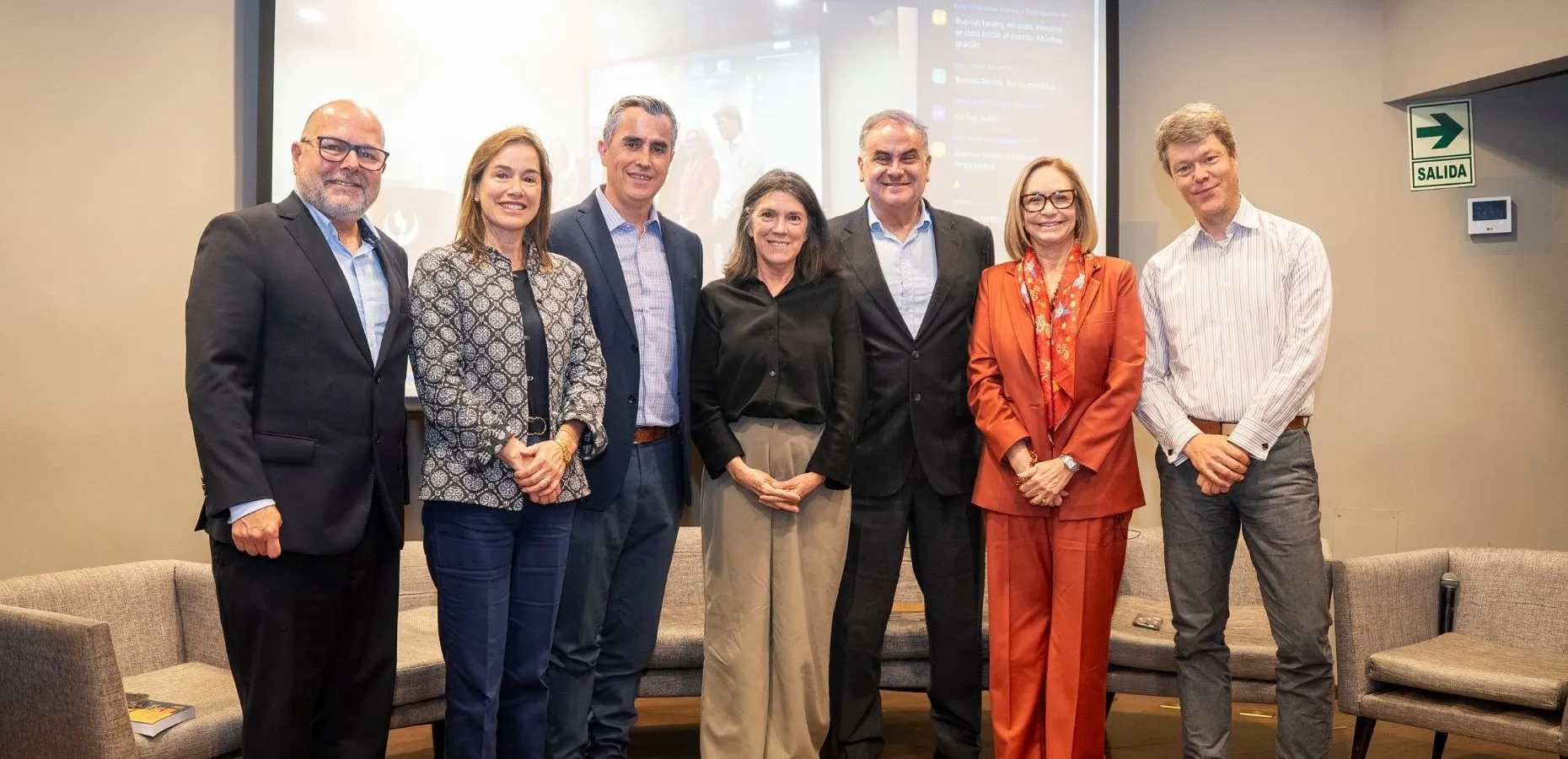
The first gathering, held ahead of the network's official launch, brought together leading voices in education, technology, and research, including Marcela Benavides, President of Empresarios por la Educación; Paul Neira, CEO of The Learning Factory; Lucía Acurio, CEO of Grupo Edutec; Andreas Blom, Practice Manager at the World Bank; and Santiago Cueto, Principal Researcher at GRADE.
The event offered an opportunity to examine the impact of artificial intelligence across different levels of education, the evolving role of educators, emerging challenges, and how institutions can respond to AI's growing influence on the lives of younger generations.
Through her participation, Stuart continues to establish herself as a leading voice in education and innovation. Just days earlier, she received the 2026 Lifetime Achievement Award, the top honor at the Women in Tech LATAM Awards ceremony in Cartagena. The award recognized her for "leading an institution of more than 30,000 students, championing the integration of AI into higher education and expanding access for the next generation."