
Innovation and Educational Quality (ICE)
ABOUT
The Office of Innovation and Educational Quality (ICE) supports Universidad de Lima's academic community by advancing initiatives that promote educational innovation, faculty excellence, and curriculum quality. The office provides guidance and support to academic units, departments, and administrative offices in the design of innovative instructional materials, teaching methodologies, learning assessments, faculty development initiatives, curriculum review, competency assessment, and other related processes.
Strengthen the quality of education at Universidad de Lima through curriculum management, faculty development, and educational innovation by coordinating guidelines, specialized support, and solutions that contribute to the continuous improvement of teaching and learning processes, in accordance with the Ulima Educational Model.
To be an institutional benchmark in curriculum management, teaching quality, and educational innovation, fostering a culture of continuous improvement that contributes to the development of relevant, innovative, and competency-based educational experiences.
- Strengthen curriculum management by promoting the alignment and continuous improvement of curricula, graduate profiles, competencies, learning outcomes, and assessment processes.
- Promote faculty development and teaching quality through training, guidance, and support that strengthen teaching competencies and practices.
- Drive educational innovation by incorporating methodologies, technologies, and resources that enrich teaching and learning experiences.
- Promote assessment and continuous improvement by generating information and evidence that support academic decision-making.
- Advise academic units on initiatives related to curriculum management, teaching practices, and educational innovation.
AREAS
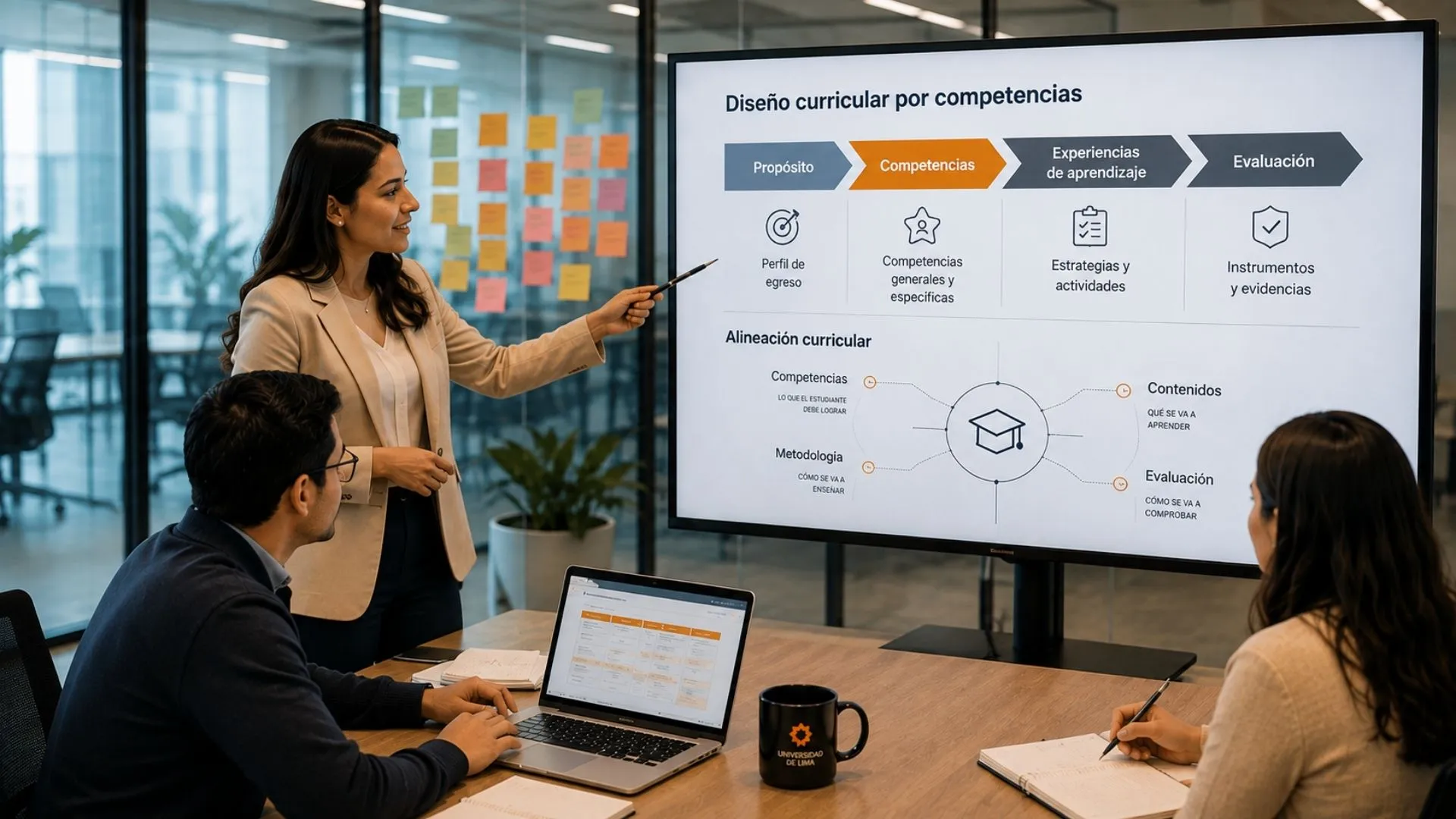
The Curriculum Management area serves as the technical and pedagogical unit of the Office of Innovation and Educational Quality (ICE). It is responsible for designing, advising on, monitoring, and evaluating curricula to ensure alignment among the Educational Model, graduate profiles, curricula, teaching and learning methodologies, and systems for assessing learning outcomes.
Strategic purpose: Ensure the development and continuous improvement of the University's academic offerings through evidence-based curriculum management focused on competency attainment, ensuring their relevance to the needs of the environment, educational quality, and compliance with national and international standards.
Main Functions
- Design and redesign undergraduate and graduate academic programs in accordance with the institutional Educational Model and competency-based approach.
- Ensure curriculum alignment among graduate profiles, competencies, learning outcomes, curricula, course descriptions, learning objectives, syllabi, and assessment strategies.
- Provide methodological guidance to academic units on constructive alignment.
- Manage curriculum guidelines and documents for undergraduate and graduate academic programs.
- Manage syllabi for undergraduate and graduate academic programs.
- Coordinate with licensing and accreditation processes on curriculum-related components.
- Conduct periodic curriculum assessments based on implementation and analysis of comprehensive academic program results.
- Provide ongoing curriculum training for deans, program directors, academic secretaries, area and course coordinators, and faculty.
- Coordinate with academic stakeholders—including Schools, academic programs, academic offices, and quality units—to ensure integrated, participatory, and continuous-improvement-oriented curriculum management.
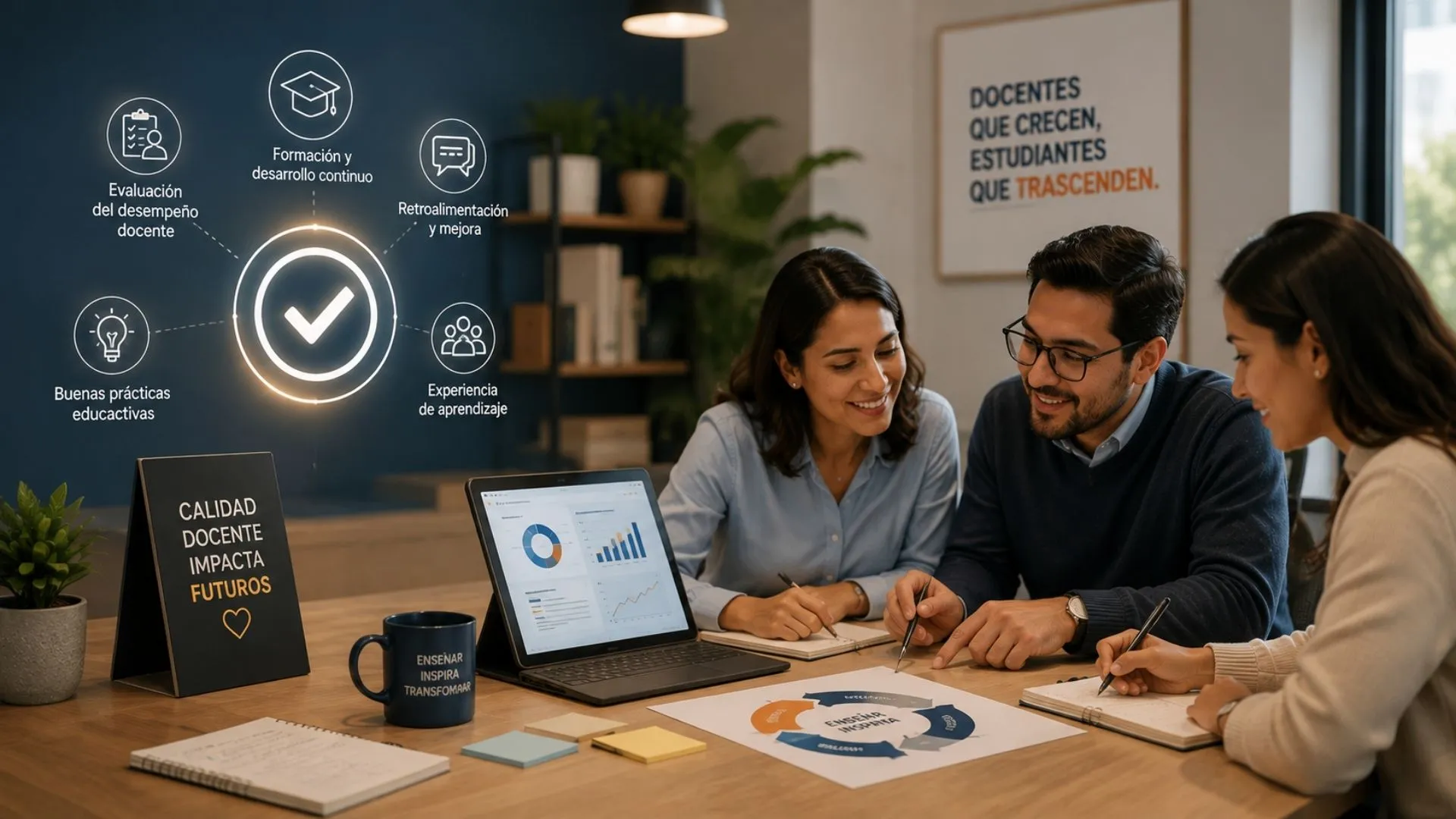
Teaching Quality is an area within the Office of Innovation and Educational Quality (ICE) responsible for ensuring the pedagogical effectiveness and continuous improvement of the teaching and learning process at all levels of the University. Its work ensures that educational practices align with the competency-based Educational Model and institutional accreditation standards.
The area leads the implementation of pedagogical guidelines through three strategic components: faculty profiles, formative assessment, and faculty competency development. These components enhance faculty performance, accelerate the adoption of active learning methodologies, and enable students to achieve the competencies outlined in the graduate profile.
Main Functions
- Pedagogical Guidelines: Establish conceptual, methodological, and practical guidelines for managing teaching and learning processes and assessment in on-campus and online environments.
- Profile Standardization: Define and update guidelines for validating faculty profiles and selecting faculty members, with the aim of standardizing suitability criteria across all academic programs.
- Performance Monitoring: Manage the Comprehensive Faculty Development Program (DID), which includes faculty evaluation, feedback, and recognition processes.
- Faculty Development: Design, implement, and evaluate the effectiveness of various faculty development opportunities and educational resources.
Innovación Educativa
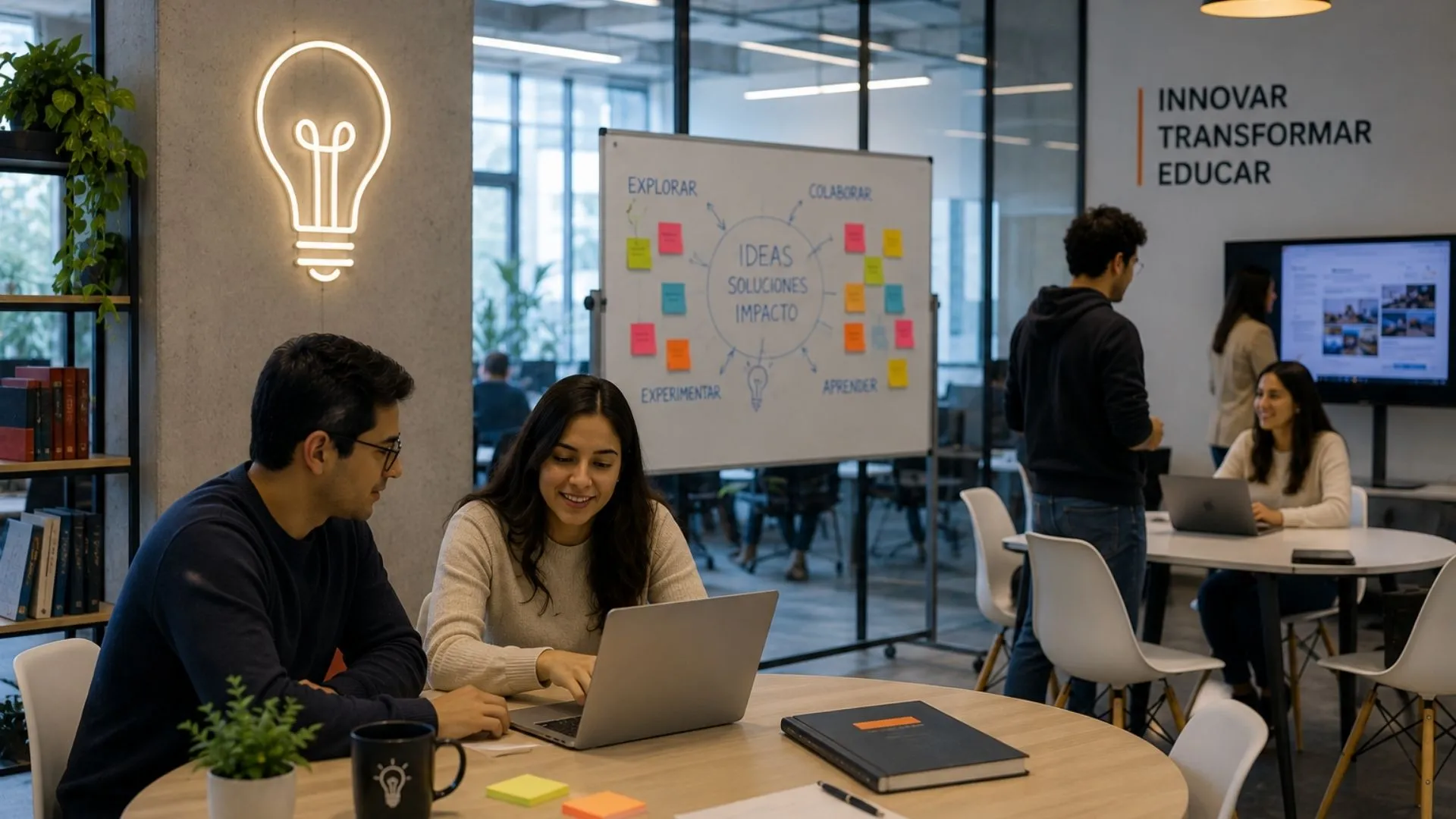
The Educational Innovation area aims to transform teaching and learning processes through the strategic incorporation of active learning methodologies, educational technologies, and digital solutions aligned with the institutional Educational Model.
It also promotes innovative, flexible, and student-centered learning experiences that facilitate the implementation of academic faculty competencies in the design and development of on-campus, hybrid, and online courses. In addition, the area seeks to ensure the pedagogical quality of digital educational resources developed at the institutional level.
Main Functions
- Design, implement, and scale pedagogical innovation strategies and the use of educational technologies in educational processes.
- Lead the pedagogical and technical development of online and blended learning solutions and institutional digital educational resources.
- Develop models and best practices for instructional design and the production of digital educational content.
- Coordinate with academic, technology, and quality units to ensure pedagogical, technical, and regulatory alignment.
Conecta Docente
A Space to Strengthen Your Teaching Practice
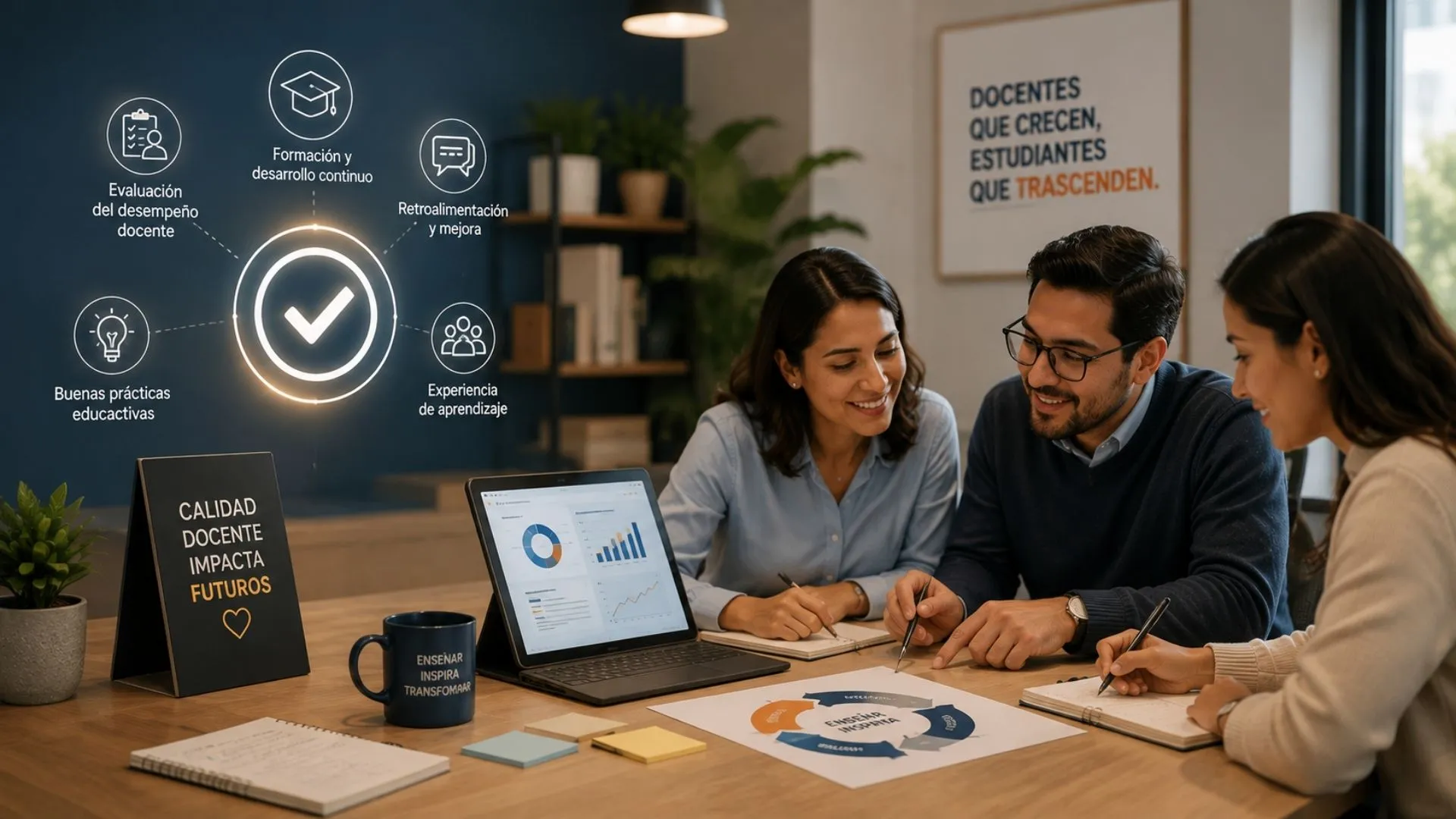
Conecta Docente brings together resources, professional development opportunities, and support services that contribute to the development of teaching competencies and the continuous improvement of the teaching and learning experience.
Find information about the Ulima Educational Model, resources for your teaching practice, faculty development offerings, and options for pedagogical guidance and support—all in one place.
INTERNATIONAL FORUM ON INNOVATIVE EDUCATIONAL EXPERIENCES
5th International Forum on Innovative Educational Experiences
Universidad de Lima organized the forum, which brought together experts and faculty members from Chile, Ecuador, Spain, Mexico, and Peru to share experiences, best practices, and new perspectives aimed at enriching teaching and learning processes.
Over the course of two days, the forum addressed topics related to artificial intelligence, digital competencies, digital identity, innovative methodologies, and the development of new faculty competencies, as well as experiences exploring creative ways to strengthen classroom interaction and learning. The event provided an opportunity to reflect on new challenges in education and the role of innovation, technology, and teaching practice in creating more meaningful educational experiences.
4th International Forum on Innovative Educational Experiences
Universidad de Lima organized the forum on October 24 and 25, 2024, bringing together national and international experts to share experiences, trends, and proposals aimed at transforming higher education.
The event addressed topics related to educational innovation, artificial intelligence applied to teaching and learning, curriculum transformation, digital competency development, faculty development, new assessment strategies, and students’ socioemotional well-being.
The experiences presented provided insights into initiatives developed by universities and organizations in different countries and prompted reflection on the challenges of incorporating emerging technologies into educational processes. The forum also highlighted the importance of strengthening the role of faculty as agents of innovation by promoting methodologies that foster participation, critical thinking, autonomy, and more meaningful learning experiences.
The event reaffirmed the need to understand educational innovation as an integrated process that brings together technology, pedagogy, faculty development, and institutional transformation to address emerging challenges in higher education and contribute to a culture of continuous improvement.
3rd International Forum on Innovative Educational Experiences
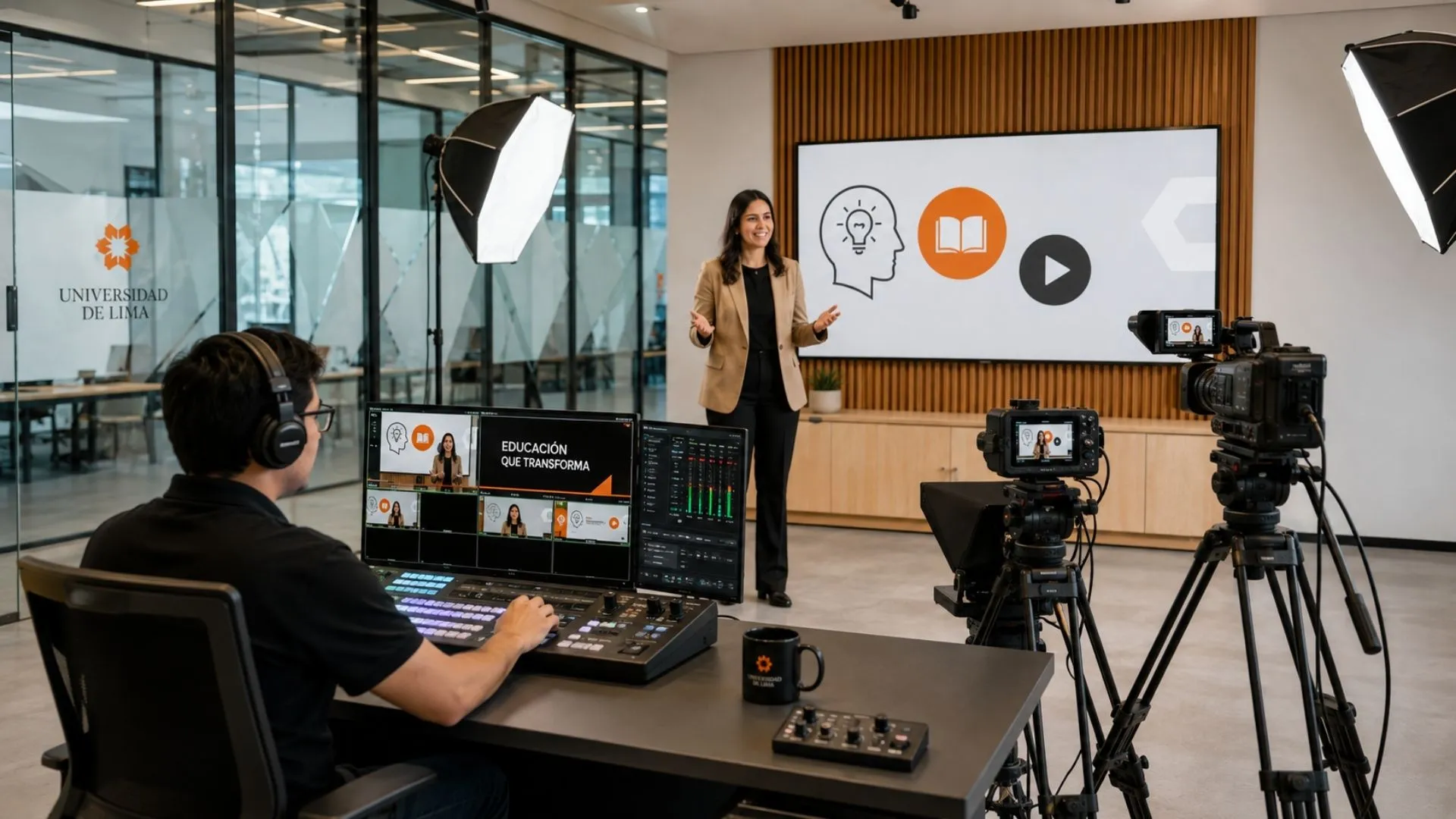
Universidad de Lima organized the forum on October 26 and 27, 2023, in a hybrid format. The event brought together basic and higher education faculty members to reflect on innovative approaches aimed at transforming teaching and learning. It featured prominent international speakers, including Germán Gallego, Gonzalo Frasca, and Yuliya Shtaltovna, who discussed topics related to the integration of emerging technologies, educational innovation management, and socioemotional well-being in education.
2nd International Forum on Innovative Educational Experiences
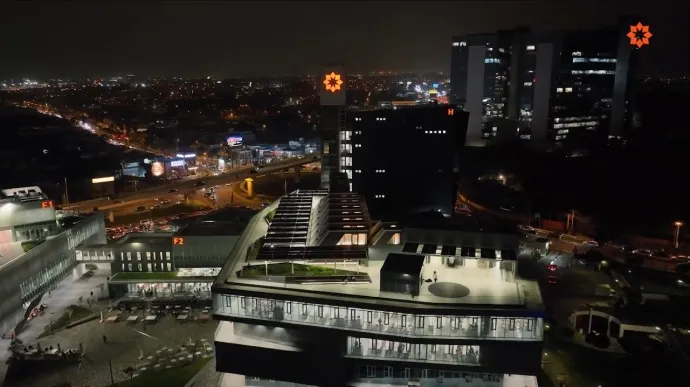
ICE organized the forum on October 13–14, 2022. The event was designed for basic and higher education educators, as well as the general public, and provided a space for sharing innovative ideas aimed at transforming the teaching and learning process.

1st International Forum on Innovative Educational Experiences
As education continues to evolve in an environment shaped by digital technologies and abundant information, innovative teaching methodologies play an essential role in fostering critical thinking and developing the skills needed to evaluate information effectively. These topics were explored during the forum, held virtually on October 14–15, 2021, and organized by ICE.

DIRECTORY
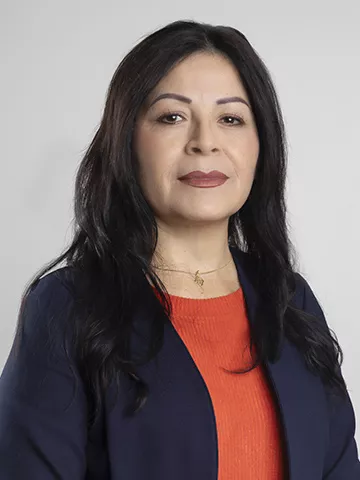
Elisa Haydee Torres Abanto
Head of the Office of Innovation and Educational Quality
Phone (511) 4376767, ext. 32500
ehtorres@ulima.edu.pe
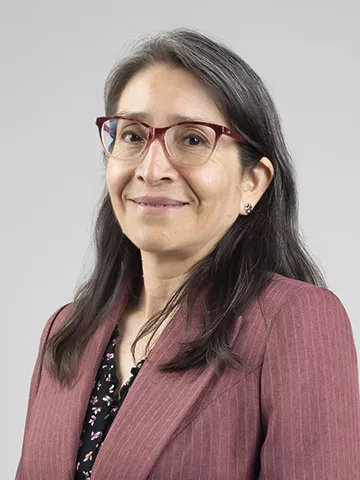
Lourdes Rosana Guevara Effio
Administrative Assistant
Phone (511) 4376767, ext. 32501
Lrguevar@ulima.edu.pe
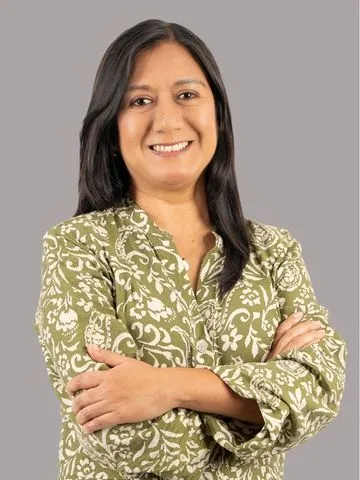
Maria Elizabeth Chiuyare Cervantes
Teaching Quality Coordinator
Phone (511) 4376767, ext. 32510
mchiuya@ulima.edu.pe

Manuel Alexander Bazalar Quiroz
Educational Innovation Coordinator
Phone (511) 4376767, ext. 32511
mbazalar@ulima.edu.pe
AGENDA
We have no upcoming events for this area.