
Center for Responsible Artificial Intelligence (CIAR)

ABOUT
The Center for Responsible Artificial Intelligence (CIAR) promotes the ethical development and use of artificial intelligence. We approach AI not only as a technological tool but also as a social challenge that demands a holistic approach encompassing specialized education, scientific research, algorithmic governance, and technology intelligence. CIAR aims to lead the Latin American ecosystem toward responsible AI by anticipating emerging risks and opportunities while advancing transparent, equitable, and sustainable innovation that fosters trust and contributes to societal well-being.
To advance the responsible development and use of artificial intelligence through specialized education, regulatory frameworks, interdisciplinary research, and technology intelligence, ensuring that AI applications at Universidad de Lima and across society adhere to the highest standards of safety, ethics, transparency, and human-centered design.
To be recognized as the leading center for responsible artificial intelligence in Peru and Latin America by shaping knowledge, policies, and practices that promote trustworthy, equitable, inclusive, sustainable, and socially beneficial AI systems, while anticipating emerging technological opportunities and challenges through transparency and traceability.
To ensure safe, ethical, and human-centered AI through specialized education, algorithmic governance, interdisciplinary research, and technology intelligence that anticipates emerging risks and informs strategic decision-making.
STRATEGIC AREAS
EDUCATION AND TRAINING
Objective
Strengthen responsible AI knowledge and skills across academic and professional communities.
Key Activities
- Development of courses and diploma programs.
- Training opportunities for faculty, students, and external professionals.
AI ETHICS, POLICY, AND GOVERNANCE
Objective
Analyze public policies and regulatory frameworks related to responsible AI.
Key Activities
- Analysis of regulatory frameworks.
- Development of policy recommendations.
INTERDISCIPLINARY RESEARCH
Objective
Advance scientific and applied knowledge in responsible AI.
Key Activities
- Research projects on AI explainability and algorithmic fairness.
- Studies on privacy and data protection.
TECHNOLOGY INTELLIGENCE
Objective
Anticipate trends and support strategic decision-making related to AI and emerging technologies.
Key Activities
- Technology monitoring and foresight analysis.
- Preparation of trend reports.
- Development of early warning mechanisms to identify emerging risks and opportunities.
RESPONSIBLE AI RESOURCES
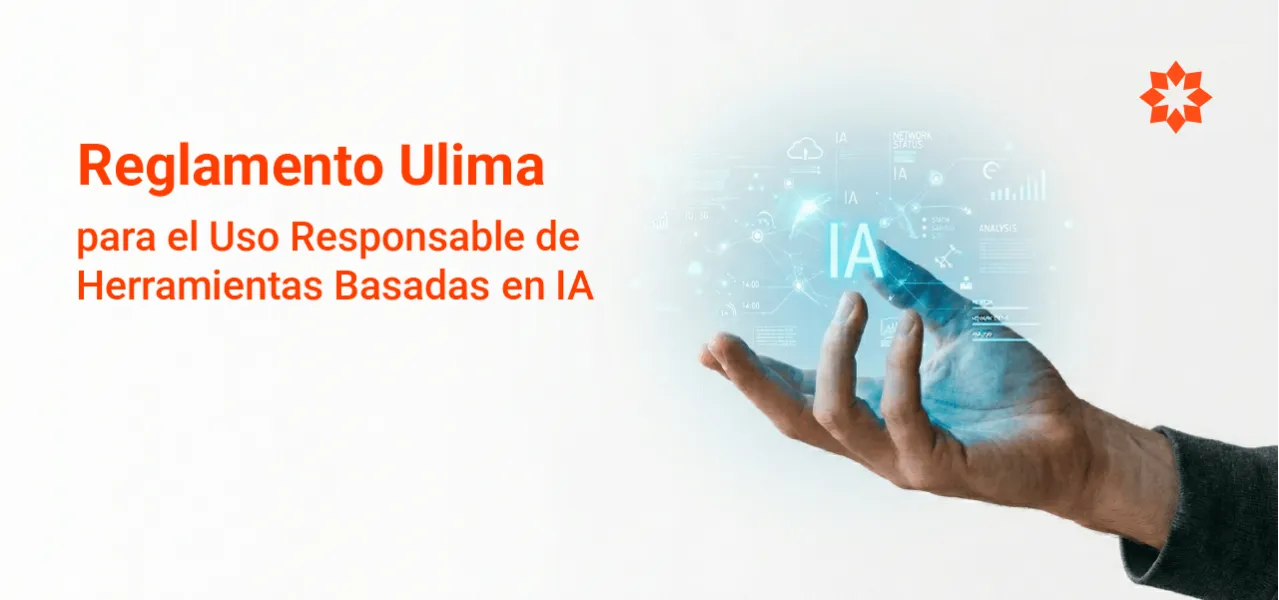
These regulations establish a framework for the responsible use of artificial intelligence within the Ulima community. They promote ethical, safe, and transparent AI practices while fostering innovation and safeguarding academic integrity, data protection, intellectual property, and human oversight.
CASE STUDIES
Case studies provide analytical and practical perspectives on real or hypothetical scenarios, examining key challenges, decisions, and outcomes to foster critical thinking and experiential learning.
The Ulima Repository hosts a collection of case studies. To learn more, click on a title below:
OUR TEAM

Franci Suni López
Director
fsuni@ulima.edu.pe

Diego Prieto
Academic Coordinator
dprieto@ulima.edu.pe
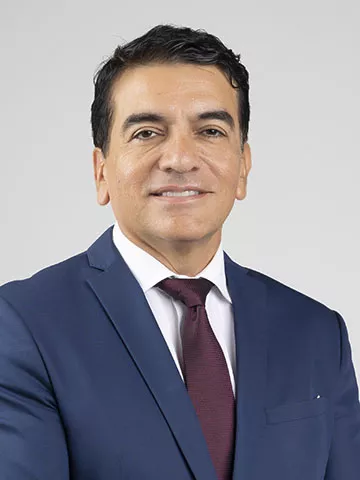
Roby Arbe
AI Ethics Coordinator
rarbe@ulima.edu.pe

Angela Mayhua
Interdisciplinary Research Coordinator
amayhua@ulima.edu.pe
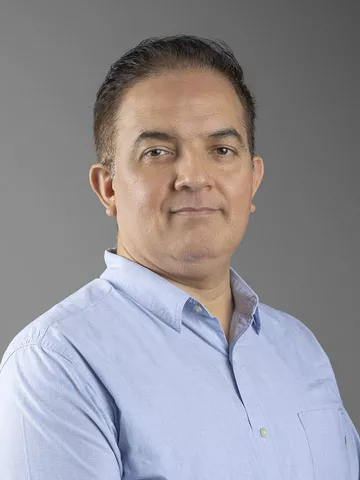
Percy Diez
Technology Intelligence Coordinator
pdiez@ulima.edu.pe
FACULTY

Galia Cochella
Professor
gcochell@ulima.edu.pe
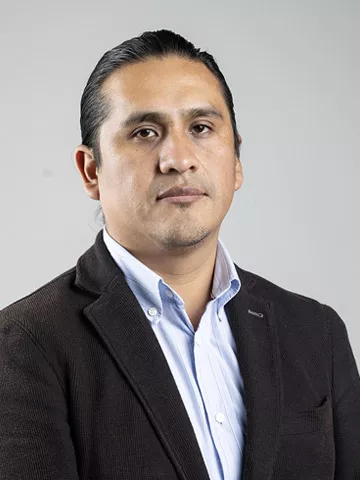
Henry Quintanilla
Professor
hequinta@ulima.edu.pe

Javier More
Professor
jmore@ulima.edu.pe
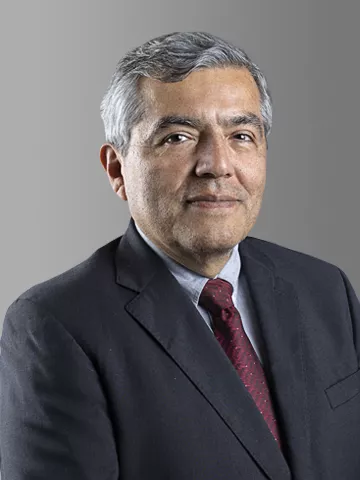
Carlos Torres
Professor
catorres@ulima.edu.pe

Ángel Agüero
Professor
aaguero@ulima.edu.pe

Monica Falcon
Teaching Assistant
mfalcon@ulima.edu.pe