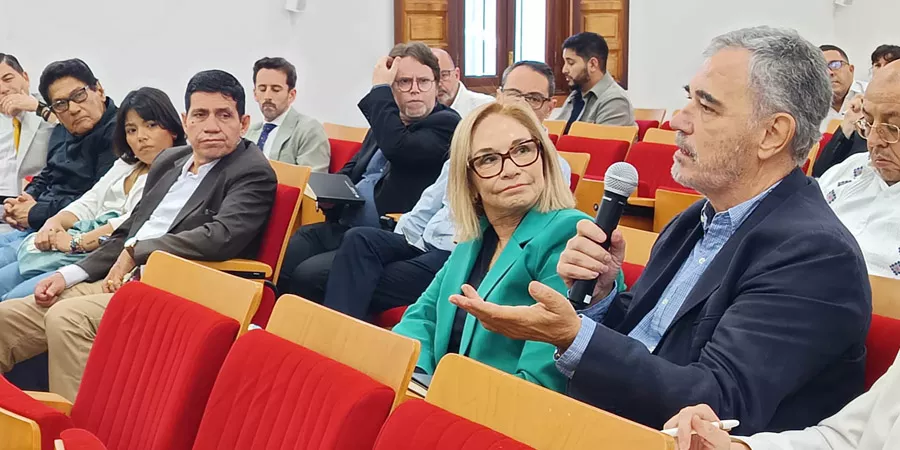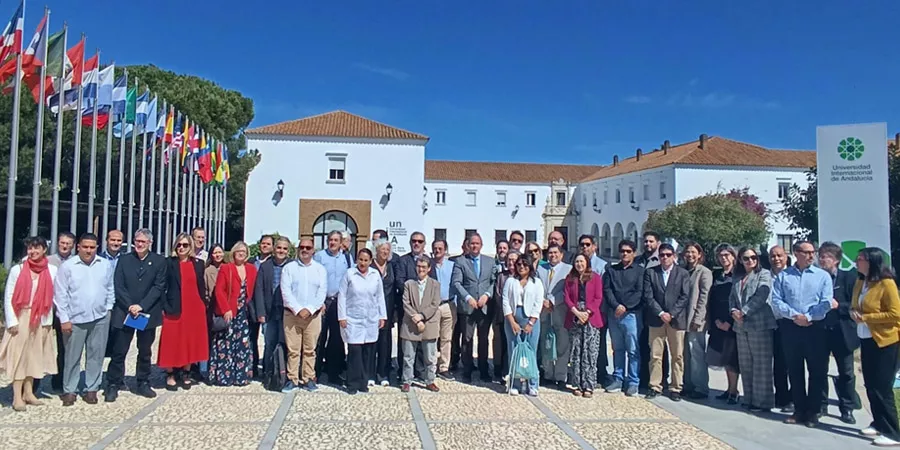
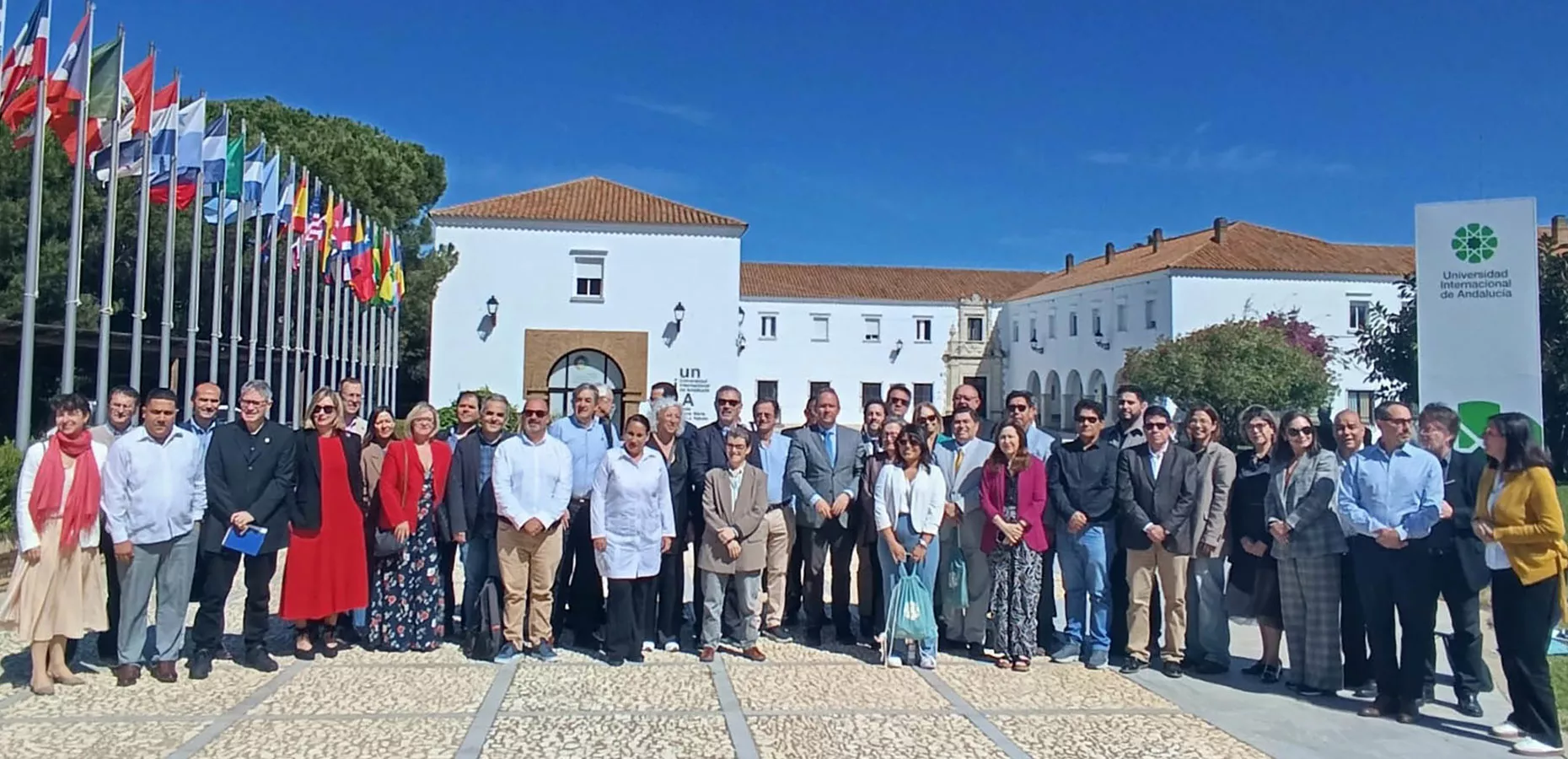
From May 13 to 15, Universidad de Lima participated in the 2nd Ibero-American Meeting "La Rábida", held at the Huelva campus of Universidad Internacional de Andalucía (UNIA). The event brought together academic leaders to explore how universities can rethink governance models amid today's dynamic social, technological, and structural transformations.
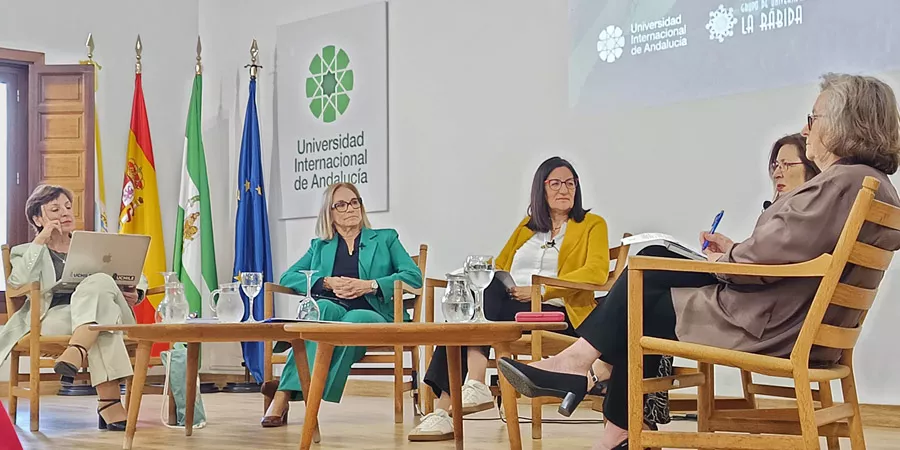
Rector Patricia Stuart represented Universidad de Lima in the roundtable "Female Leadership in Higher Education Institutions (IES)," where she addressed the persistent challenges faced by women in university leadership. She emphasized that her motivation stems from a deep commitment to transformation, improvement, and leaving a lasting impact—both within the institution and beyond.
"When women step into leadership roles, we are often feared or questioned. But the only way to move forward is to step up and make ourselves visible," she affirmed.
Rector Stuart also stressed the importance of empowering women from the home and recognizing their potential as agents of change, reaffirming Universidad de Lima's values of excellence, inclusion, and global advancement in higher education.
The roundtable also included Rectors María de Lurdes Rodrigues (University Institute of Lisbon, Portugal), Amaya Mendikoetxea (Universidad Autónoma de Madrid), María Antonia Peña (Universidad de Huelva), and Alicia Salomone (Director of International Relations at Universidad de Chile).
La Rábida Meeting featured high-level dialogue on crucial topics such as strategic data use, talent management, and university funding. Universidad de Lima's participation reaffirmed its commitment to ethical, innovative, and people-centered university governance, aligned with the demands of an increasingly interconnected world.
As an active member of Grupo de Universidades Iberoamericanas La Rábida, Universidad de Lima continues to strengthen international academic cooperation. These shared spaces of reflection foster the exchange of best practices, create synergies, and uphold a shared vision of the University as a key driver of sustainable development.